Coastal construction requires stricter planning, permitting, and structural standards than inland building. Marine contractors working near shorelines must account for hurricane winds, storm surge, wave action, saltwater corrosion, and long-term erosion, which is why coastal projects are heavily regulated and closely inspected.
For contractors, the biggest mistake is assuming coastal construction follows the same rules as a typical residential build. In reality, coastal work often requires additional permits, engineering approvals, and inspection checkpoints that can affect budgets and timelines. Even a small design change, foundation adjustment, grading issue, or seawall repair and replacement scope can trigger a review cycle that delays the entire project.
This guide explains the core coastal construction rules contractors must follow, including permitting layers, FEMA flood zone compliance, engineering standards, shoreline protection restrictions, and practical best practices that help projects stay compliant.
Why Coastal Construction Rules Are So Strict
Coastal construction rules exist because coastal structures face hazards that most inland buildings never encounter, including marine construction exposure. During a hurricane, wind loads increase dramatically, debris impact becomes a real threat, and floodwater does not behave like a slow-rising inland flood. Coastal flooding often involves fast-moving water, wave pressure, and scouring that can remove sand and soil around foundations.
Environmental risk is also a major factor. Coastal areas include dunes, wetlands, mangroves, and marine habitats that act as natural protection systems. Construction that damages these systems can increase the risk of flooding to surrounding properties and reduce shoreline stability.
Because of this, coastal construction rules are designed to do three things:
- Protect human safety
- Protect natural shoreline systems
- Reduce long-term damage and insurance risk
Contractors who understand this approach are better prepared for the type of inspections and documentation coastal projects require.
How Coastal Construction Rules Are Structured
Coastal construction is regulated through multiple overlapping authorities. Even if a contractor secures a local building permit, the project may still be delayed if state or federal requirements are not met.
Local Building Departments
Cities and counties usually handle zoning approvals, standard building permits, inspections, and enforcement. Many coastal municipalities also apply stricter rules for wind resistance, setbacks, drainage, and building height.
Local approval is often the starting point, but it is rarely the only approval required.
State Environmental and Coastal Agencies
State agencies control coastal hazard zones, dune protection, shoreline stabilization, and permitting requirements in high-risk coastal areas. In Florida, this includes oversight through programs such as the Coastal Construction Control Line (CCCL), which defines zones where construction triggers higher review requirements.
Contractors should treat state coastal review as a major part of the planning process, especially for properties close to dunes or beaches.
Federal Oversight
Federal involvement is most common in two situations:
First, FEMA flood requirements apply when the property is located in a mapped flood zone and must comply with Base Flood Elevation rules.
Second, the U.S. Army Corps of Engineers may be involved when construction impacts wetlands, waterways, dredging activity, fill placement, or shoreline modifications.
For shoreline stabilization projects, contractors should expect a more complex review process than a normal build.
Coastal Building Projects Require More Than a Permit
One of the biggest differences in coastal construction from inline building is the permit stack. Contractors should plan early for the reality that a coastal project may require multiple approvals before construction can begin.
Common Coastal Permits and Approvals
In many cases, contractors may need:
- Local building permits
- State environmental approvals
- Erosion and sediment control documentation
- Floodplain compliance and elevation documentation
- Shoreline stabilization permits (if applicable)
- Additional approvals for work near wetlands or protected habitats
Even when permits are approved, coastal projects often come with permit conditions that must be followed throughout construction. These conditions may limit construction staging areas, restrict dune disturbance, or require special erosion control methods.
Failing to follow permit conditions can lead to stop-work orders even if the project is otherwise built correctly.
Coastal Construction Control Zones
In Florida and many other coastal regions, certain areas are treated as high-hazard construction zones. The CCCL is one example of a state-defined boundary used to regulate coastal development in areas exposed to storm surge and erosion.
For contractors, the key takeaway is simple: if the site falls within a state-regulated coastal zone, the project may require special review and a separate state permit in addition to local building permits.
Even smaller projects, such as decks, pools, or major renovations, can fall under this review if they are close to the shoreline. Contractors should confirm early whether the property is affected, because state permitting timelines can be longer than local approvals.
FEMA Flood Zone Requirements Contractors Must Follow
Flood zone compliance is one of the most important requirements in coastal construction. FEMA flood maps determine whether a property falls into a high-risk zone and establish the Base Flood Elevation (BFE), which directly impacts foundation design and finished floor height.
Flood compliance affects more than inspections. It also impacts flood insurance requirements and can influence resale value for property owners.
Understanding the Base Flood Elevation (BFE)
The BFE is the predicted water elevation during a base flood event. Coastal building codes often require the lowest occupied floor to be built above the BFE, sometimes with additional safety freeboard depending on local requirements.
Contractors should never treat BFE requirements as flexible. If the elevation is incorrect, the project may fail inspection and become extremely expensive to correct.
Building in V Zones (Velocity Zones)
V Zones are some of the strictest FEMA flood areas because they involve not only floodwater but also wave action. In these areas, structures must be built to withstand wave forces that can destroy traditional slab or shallow foundations.
Contractors building in V Zones should expect requirements such as:
Pile or Column Foundations
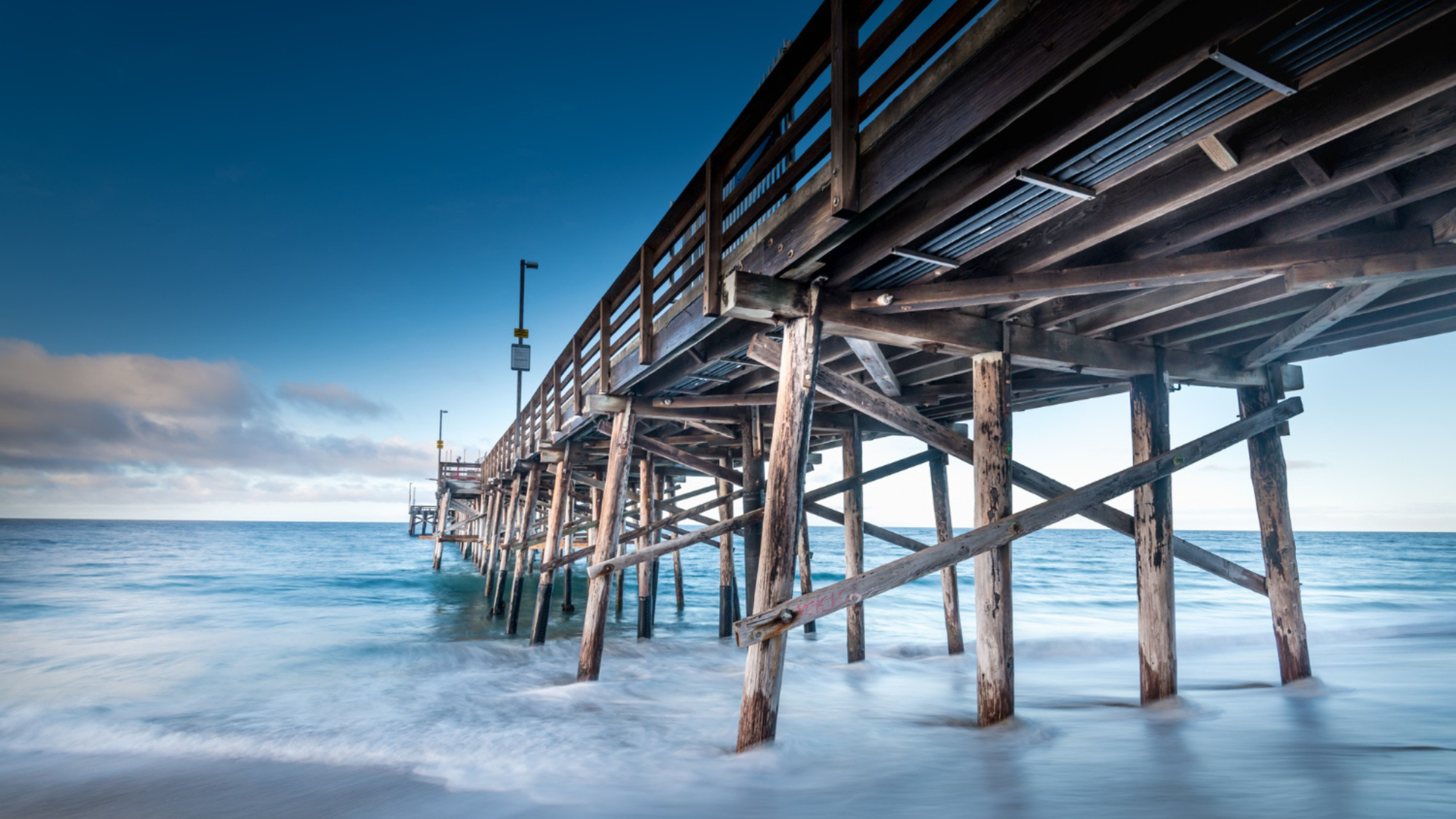
Most V Zone structures must be elevated on piles, pilings, or reinforced columns. These systems allow wave energy to pass beneath the structure rather than pushing against solid walls.
Breakaway Walls
Any walls below the flood elevation often must be breakaway walls, meaning they are designed to collapse under wave force without damaging the foundation system. This is a major inspection focus.
Scour and Erosion Considerations
Stormwater can remove sand around foundations, known as scour erosion. Engineers often design pile depth based on projected erosion, meaning contractors must follow pile installation requirements precisely.
Restricted Use of Lower Enclosures
Enclosed areas below BFE are typically limited to storage, access, or parking. They cannot be finished living space, even if the client requests it.
These rules are enforced strictly because V Zone failures during storms often result in total structure collapse.
Engineering Standards That Shape Coastal Construction
Coastal construction is not only about permits. It is also about engineering standards that ensure a structure performs under extreme conditions.
Wind Load and Hurricane Resistance
Coastal structures must handle significantly higher wind loads. Contractors must follow stricter fastening schedules, reinforced framing standards, and roof anchoring requirements.
A major structural focus is preventing uplift. Roof failures often begin with small weak points such as poorly installed connectors, under-nailed sheathing, or incorrect truss tie downs.
Continuous Load Path Construction
Coastal building standards often require a continuous load path that transfers wind forces from the roof down to the foundation. This involves properly installed connectors, straps, anchors, and reinforced tie points.
Inspectors frequently check these details because missing hardware can compromise the entire structure.
Impact Protection Requirements
Coastal storms involve flying debris, which is why high-impact openings are a major code requirement in many coastal zones.
This includes impact-rated:
- Windows and doors
- Garage doors
- Glass systems and sliders
If these systems are not used, approved protective shutter systems may be required instead.
Roofing Requirements
Roofing is one of the most inspected components of a coastal build. Contractors must ensure the roof assembly meets wind uplift ratings and is installed according to manufacturer specifications and code requirements.
A roof system is only as strong as its weakest connection, so inspections often focus on underlayment, fastening, edge protection, and structural tie downs.
Erosion Control and Environmental Protection During Construction
Coastal construction sites are closely monitored for erosion control and pollution prevention. Runoff containing sediment or debris can damage marine habitats, which is why agencies require strict site management during construction.
Contractors should expect requirements such as:
- Stabilized construction entrances
- Silt fencing and sediment barriers
- Protected stockpile zones
- Stormwater runoff management
- Debris control and site cleanliness
Even if a contractor has the right permits, poor site management can result in compliance violations.
Shoreline Stabilization and Seawall Restrictions
Many property owners assume shoreline protection structures are easy to install. In reality, seawalls, riprap, and revetments are among the most regulated coastal construction elements.
These structures can increase erosion on neighboring properties by changing natural sand movement and wave reflection patterns.
Riprap Revetments
Riprap is a common shoreline stabilization method, but it usually requires engineering design and strict permit review. Placement must be calculated for slope stability and wave force resistance.
Hard Armoring Limitations
Some areas restrict new seawalls or hard armoring systems, especially where shorelines are already experiencing severe erosion. Contractors should set client expectations early to avoid disputes later.
Living Shoreline Alternatives
Regulators increasingly favor softer shoreline methods such as dune restoration and vegetation stabilization, since these solutions preserve natural shoreline movement.
Inspection Challenges Contractors Should Plan For
Coastal inspections tend to be stricter and more detailed than typical inland inspections. Contractors should anticipate extra attention on:
foundation and piling installation, elevation measurements, structural connectors, roof fastening systems, and opening protection requirements.
Small deviations from approved plans can trigger re-inspections, correction orders, and costly delays.
A key best practice is to document each major stage of construction with photos and keep all engineering reports organized, especially when working on pile foundations and flood compliance requirements.
Best Practices Contractors Should Follow for Coastal Projects
Start With Early Site Verification
Before finalizing designs, contractors should confirm flood zones, base flood elevation, and any state-regulated coastal boundaries. Early verification avoids redesign costs later.
Coordinate Engineers and Architects From the Start
Coastal projects are not suited for a fragmented workflow. Structural engineers, civil engineers, and architects should align early because foundation design, elevation planning, and wind compliance affect the entire structure.
Set Realistic Permit Timelines
Coastal permits often take longer due to environmental review and flood compliance checks. Contractors should communicate this clearly to clients before contracts are signed.
Follow Approved Plans Exactly
Coastal approvals are detail-driven. Contractors should avoid field changes unless they are reviewed and approved, especially for foundations, elevation, and shoreline-related work.
Conclusion
Coastal construction is regulated more strictly because the risks are higher and the environmental impact is significant. Contractors must plan for layered permits, FEMA flood zone compliance, stronger structural standards, and tighter inspection requirements.
When coastal projects are handled correctly, they result in structures that are safer, longer-lasting, and built to perform under hurricane and flood conditions. For contractors, the formula for success is consistent: plan early, coordinate engineering properly, and treat compliance as part of the build, not a final step.
People Also Ask
1. What permits are required for coastal construction projects?
Coastal projects often require more than a local building permit. Depending on the site, contractors may need state environmental approvals, erosion-control documentation, floodplain compliance documents, and shoreline-stabilization permits.
2. What is the biggest difference between coastal construction and inland construction?
The main difference is the level of risk. Coastal structures must be designed for hurricane winds, storm surge, flooding, and erosion. This leads to stricter requirements for foundation, elevation, and materials.
3. What are FEMA V Zone requirements in coastal construction?
V Zones are high-hazard flood areas where wave action is expected. Contractors often must use elevated pile foundations, build above Base Flood Elevation, and install breakaway walls below flood level.
4. Are seawalls and riprap always allowed on coastal properties?
No. Many coastal areas restrict new seawalls and hard shoreline stabilization because they can worsen erosion. Permits are often difficult to obtain, and some projects may require alternative shoreline protection methods.