Construction in Florida is highly dependent on location. A project near the coastline faces a very different set of physical forces, regulatory controls, and top-grade performance demands than a project located inland. Treating both environments the same often leads to structural issues, permitting delays, or increased maintenance costs.
This article explains the technical and practical differences between coastal construction and inland building in Florida, written from the perspective of real site conditions, engineering standards, and regulatory expectations.
Why Location Shapes Construction Strategy in Florida
Florida’s geography creates two distinct construction environments. Coastal sites interact daily with tidal movement, saltwater exposure, wave action, and shoreline change. Inland sites are shaped more by soil behavior, rainfall patterns, and stormwater flow.
Successful construction depends on responding to these forces during planning and design rather than addressing problems after completion. This is why coastal construction is considered a specialized discipline rather than an extension of standard inland building.
Permitting and Regulatory Review
Coastal Construction Requirements
Coastal construction in Florida is subject to layered oversight. Projects may require approval from state agencies, county departments, and environmental authorities. Reviews focus on flood exposure, coastal setback lines, erosion risk, and impacts to nearby marine systems.
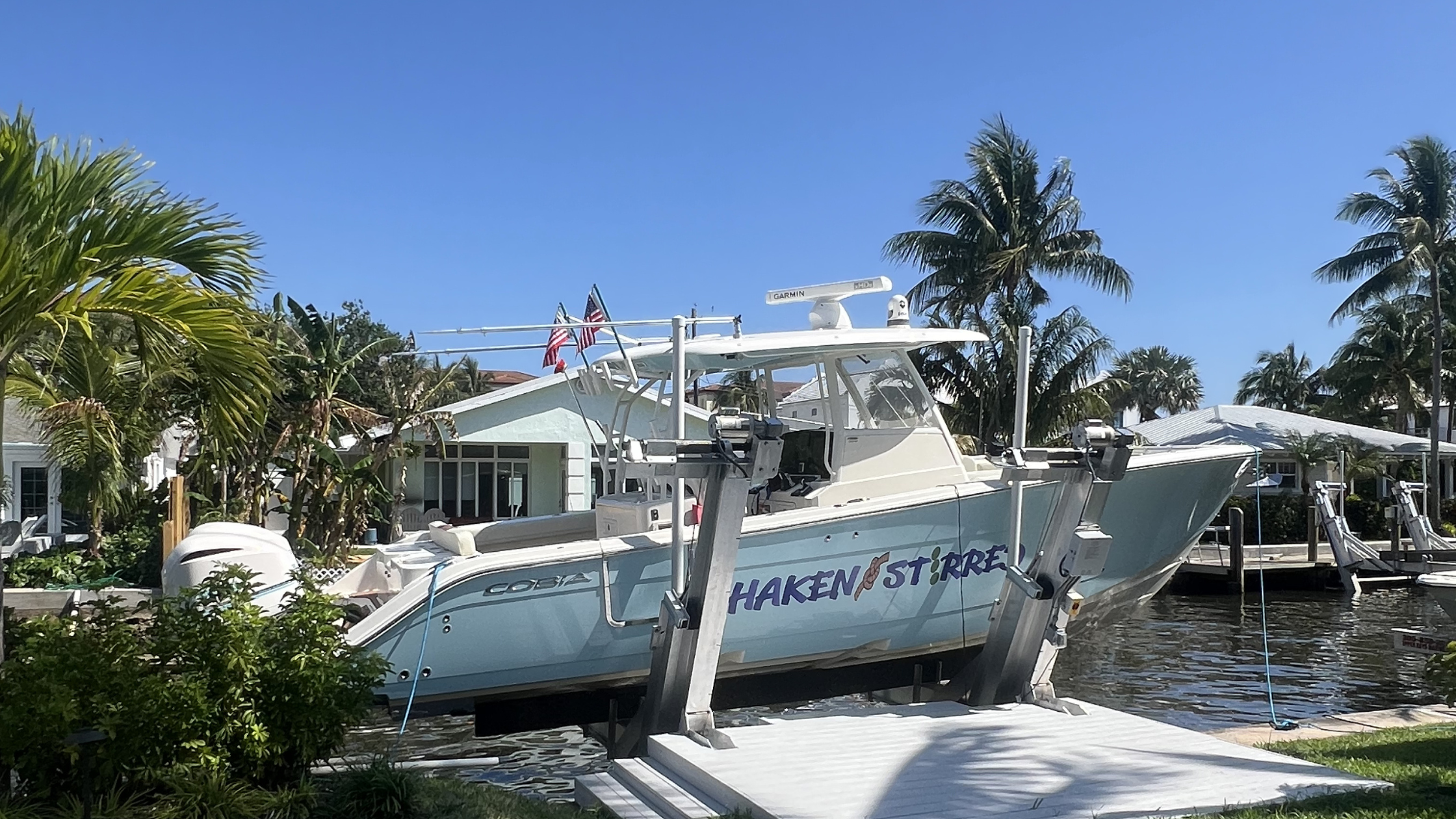
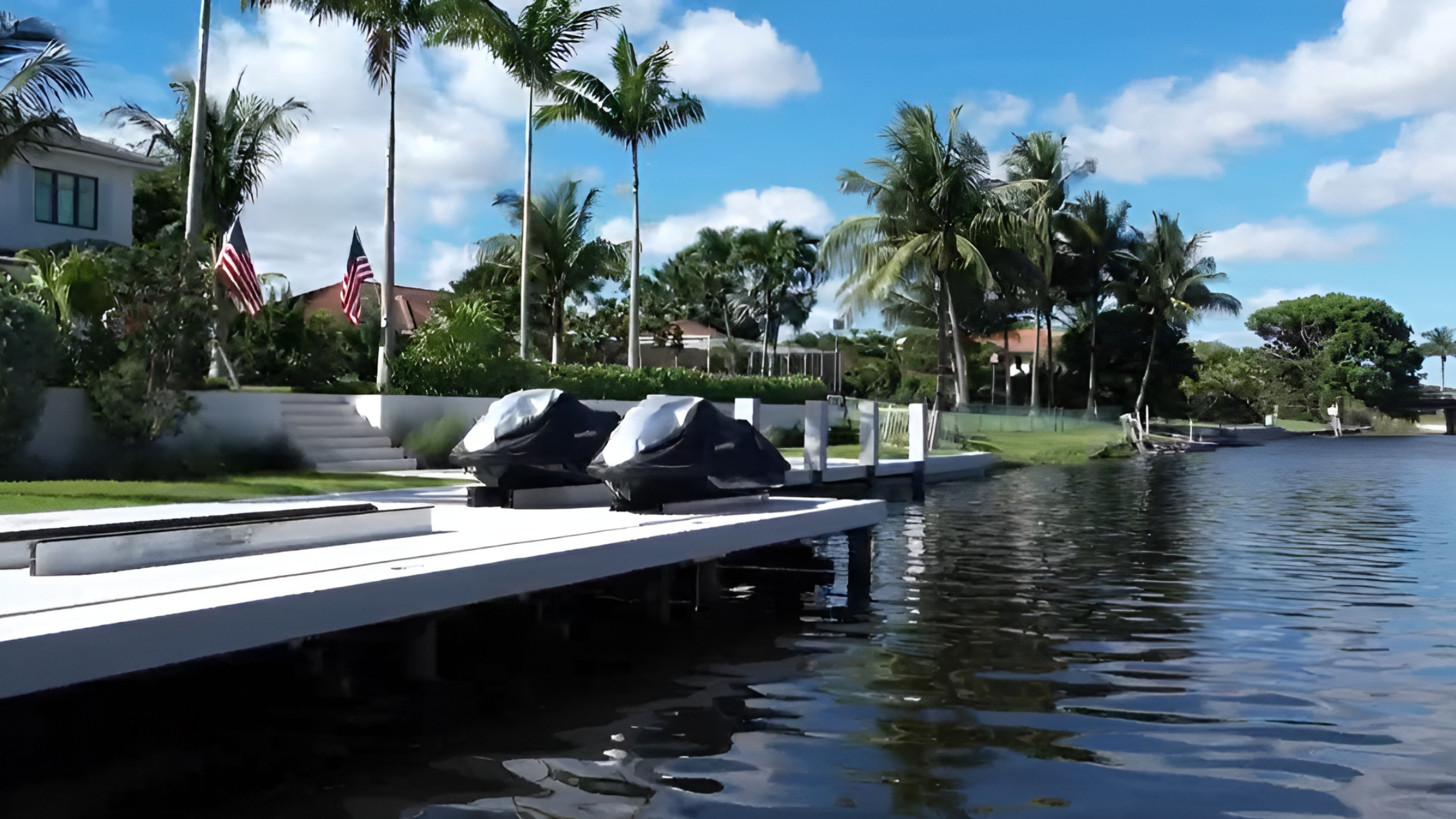
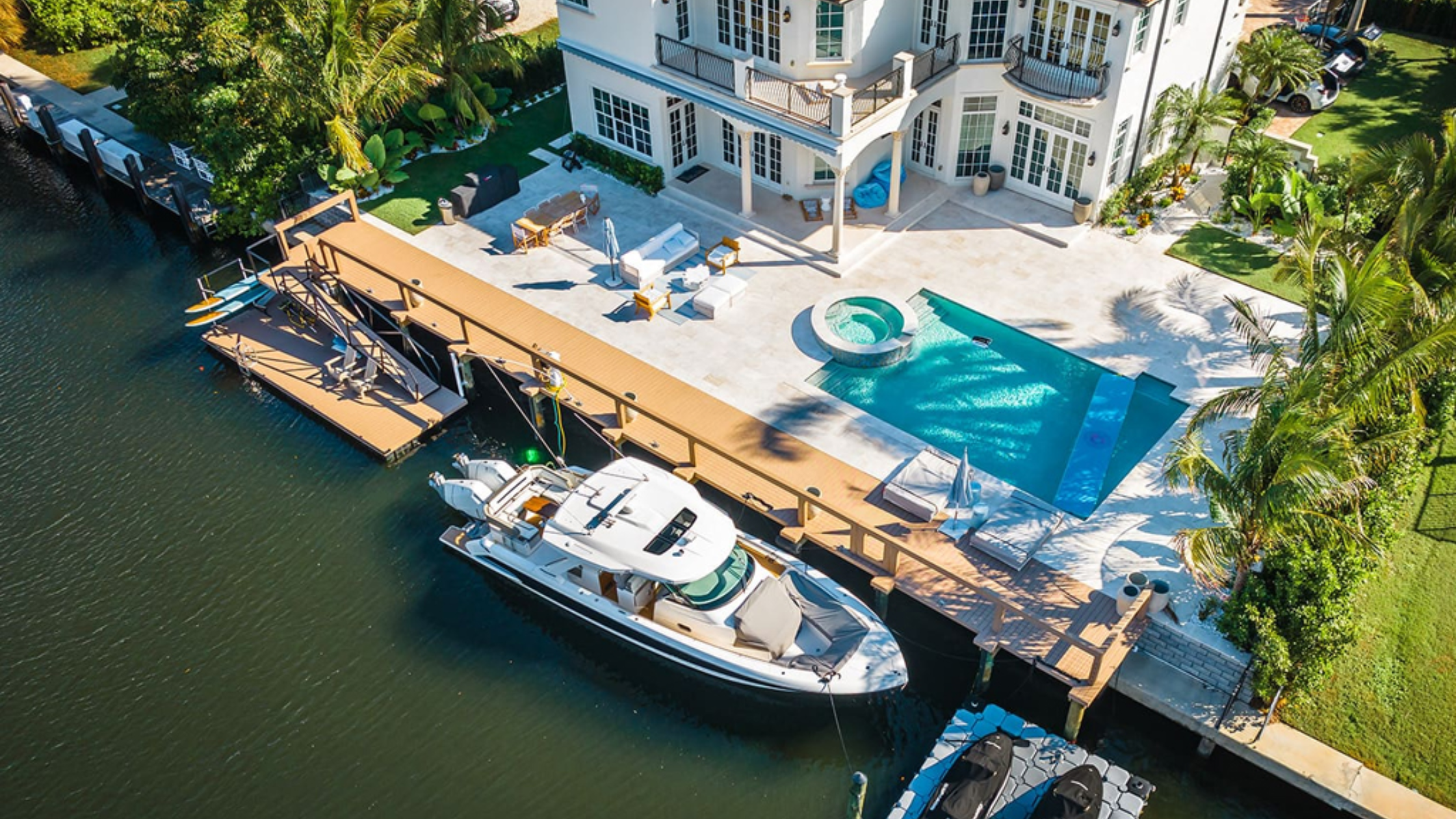
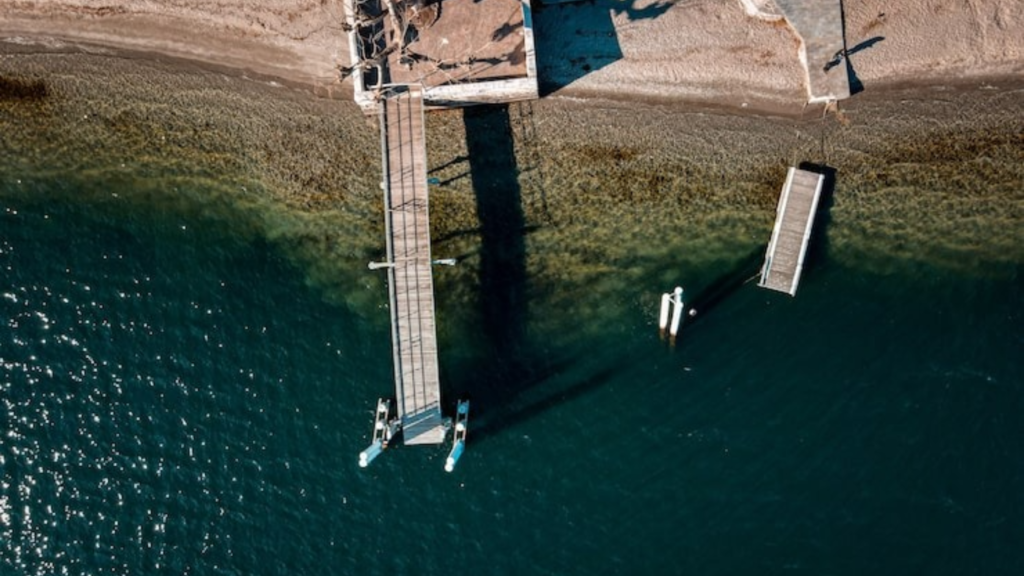
Structures such as docks, seawalls, boat lifts, and shoreline stabilization features often require additional permits beyond standard building approval. Engineering reports, site surveys, and environmental documentation are common requirements.
Permitting timelines are longer because agencies must confirm that the project will not increase erosion, alter water flow, or damage surrounding properties.
Inland Building Requirements
Inland building permits are typically handled at the local level. Reviews focus on zoning compliance, structural safety, drainage, and floodplain elevation, where applicable.
While inland projects still follow strict building codes, they usually face fewer environmental restrictions. This results in shorter approval timelines and more predictable scheduling.
Foundation and Structural Engineering
Coastal Structural Design
Coastal structures must resist storm surge, wave forces, and high wind loads. Foundations are commonly supported by deep pilings driven into stable soil layers to prevent movement during extreme weather events.
Elevation is another key factor. Many waterfront structures are designed above base flood elevation to reduce flood damage and meet insurance requirements.
Engineering calculations account for lateral loads from waves and currents, not just vertical weight. This significantly affects foundation spacing, reinforcement design, and material selection.
Inland Structural Design
Inland buildings focus on soil bearing capacity and wind resistance without direct wave impact. Slab-on-grade or shallow foundations are more common, depending on soil conditions.
While hurricanes still affect inland Florida, structural loads are generally lower than those experienced in exposed coastal zones. This allows for simpler engineering solutions in many cases.
Material Performance and Longevity
Coastal Material Considerations
Salt air and constant moisture accelerate corrosion and material degradation. Coastal construction relies on materials that resist these conditions, including marine-grade concrete, pressure-treated lumber, stainless steel hardware, and protective coatings.
Material selection directly affects maintenance schedules and service life. Lower-quality materials may reduce upfront costs but often lead to premature failure in coastal environments.
Inland Material Considerations
Inland construction allows for a broader range of conventional materials. Corrosion risk is lower, and exposure conditions are less aggressive.
This flexibility can simplify sourcing and reduce long-term maintenance requirements, especially for structural connections and exterior finishes.
Environmental and Site Constraints
Coastal Site Sensitivity
Many waterfront properties are located near dunes, wetlands, mangroves, or navigable waterways. These areas are protected to preserve shoreline stability and marine ecosystems.
Construction plans must respect buffer zones, limit disturbance, and include erosion control measures. Site access, equipment staging, and construction sequencing are often restricted.
Ignoring these factors can result in permit rejection or costly redesigns.
Inland Site Conditions
Inland sites still require environmental review, particularly near lakes or flood zones, but constraints are typically easier to manage.
Drainage design and soil stabilization are primary concerns, rather than direct interaction with sensitive marine habitats.
Maintenance and Ownership Considerations
Coastal Property Ownership
Coastal structures require ongoing inspection and maintenance. Salt exposure affects metal components, fasteners, and protective coatings over time.
Owners should plan for periodic repairs and preventative maintenance to preserve structural integrity and safety.
Inland Property Ownership
Inland buildings generally experience slower material wear. Maintenance schedules are more predictable, and ownership costs are often lower when compared to coastal structures.
Cost, Risk, and Project Timelines
Coastal construction typically involves higher initial costs due to specialized engineering, durable materials, and extended permitting timelines. Weather windows and seasonal restrictions can also affect scheduling.
Inland building projects usually progress more quickly and with fewer regulatory delays. Costs are more stable, though site-specific conditions still influence budgets.
Understanding these differences early helps property owners set realistic expectations and avoid surprises during construction.
Making the Right Construction Decision
Choosing between coastal construction and inland building is not only about location. It is about matching design, materials, and expertise to site conditions.
In Florida, projects perform best when handled by teams that understand local environmental forces, permitting pathways, and construction methods specific to each setting.
Conclusion
Coastal construction and inland building follow fundamentally different rules in Florida. Coastal projects demand advanced engineering, strict regulatory compliance, and materials built to withstand harsh marine conditions. Inland projects offer greater flexibility but still require thoughtful planning.
Recognizing these differences leads to better project outcomes, fewer delays, and structures that perform as intended over time.