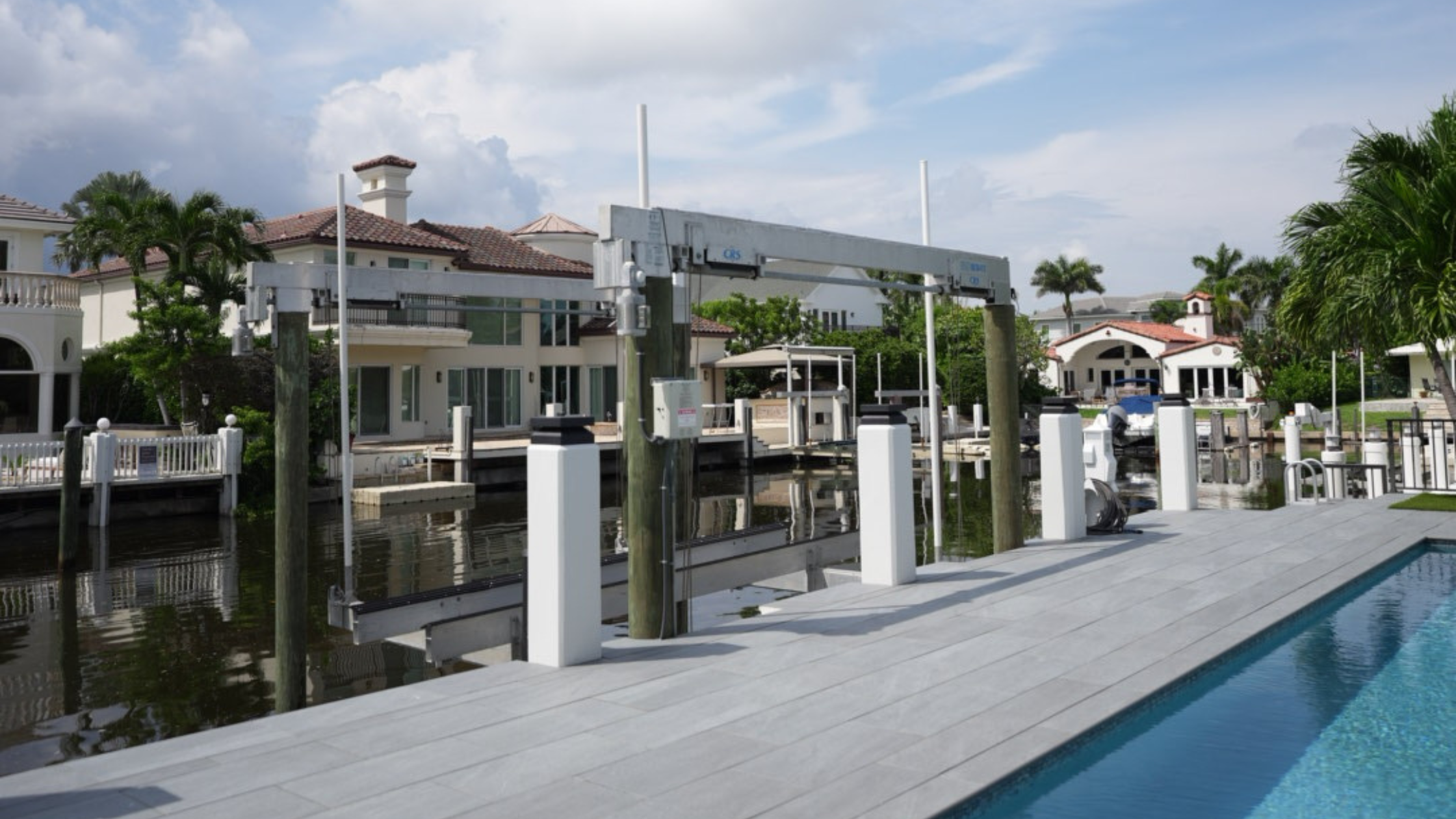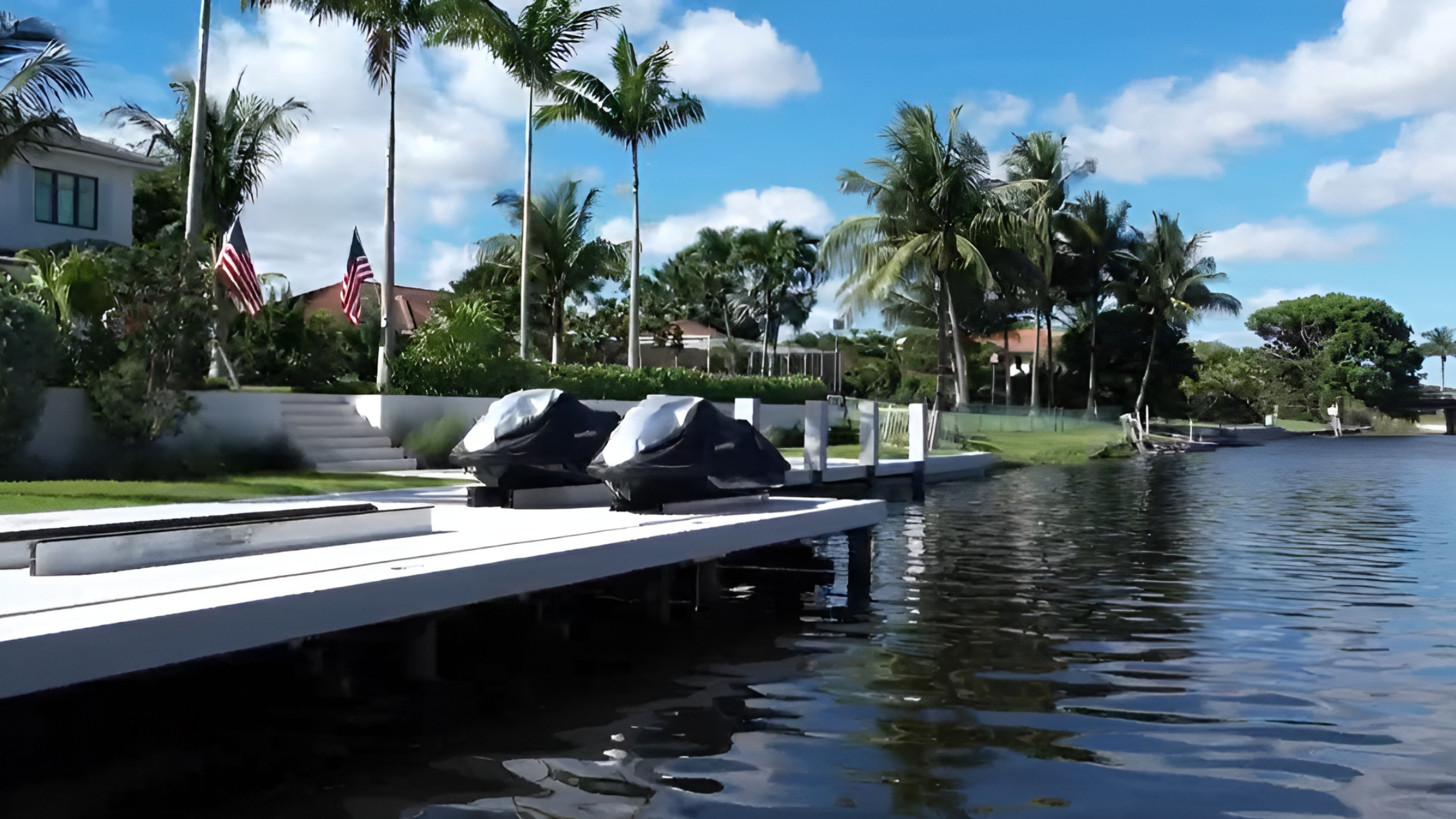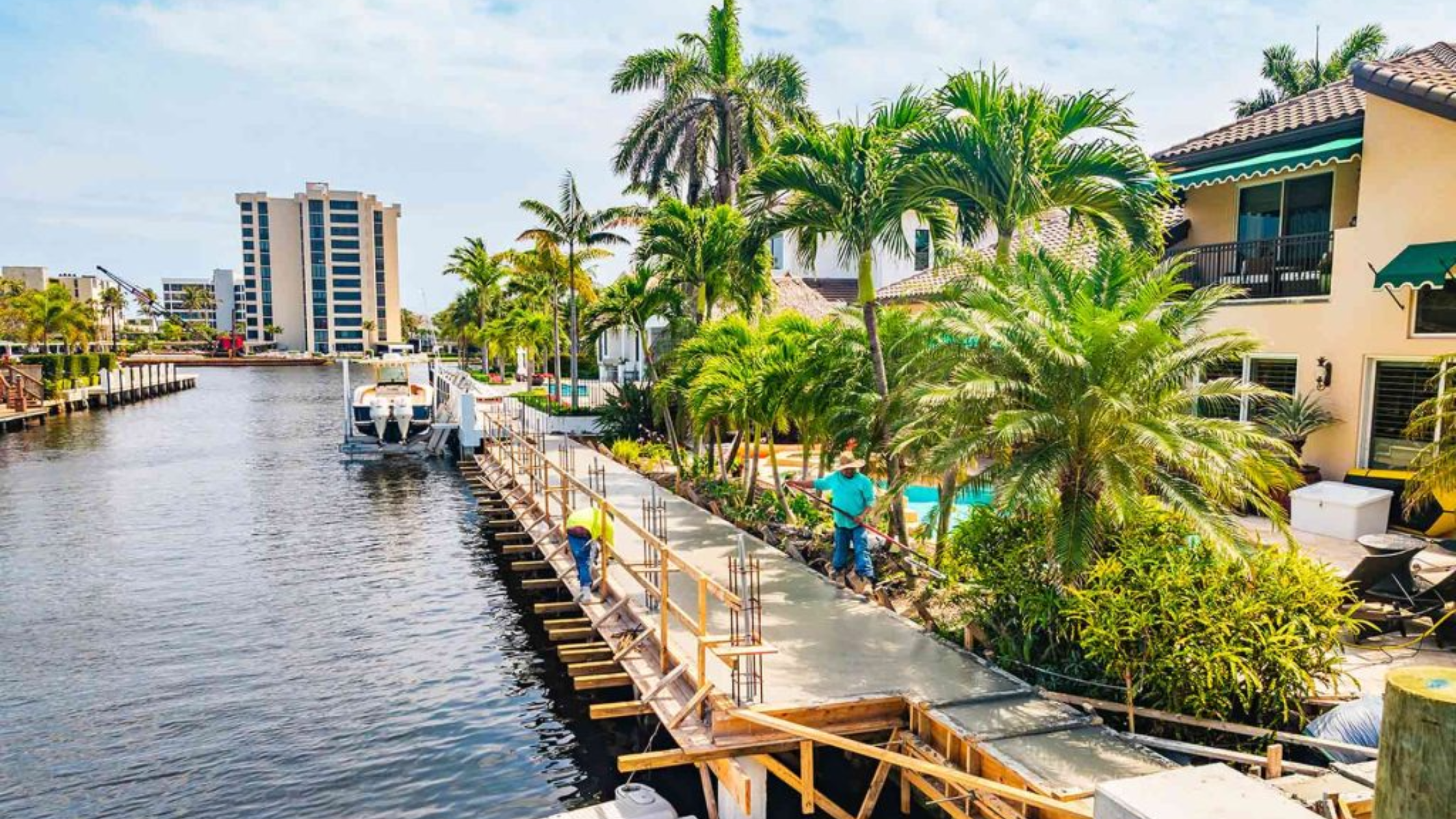
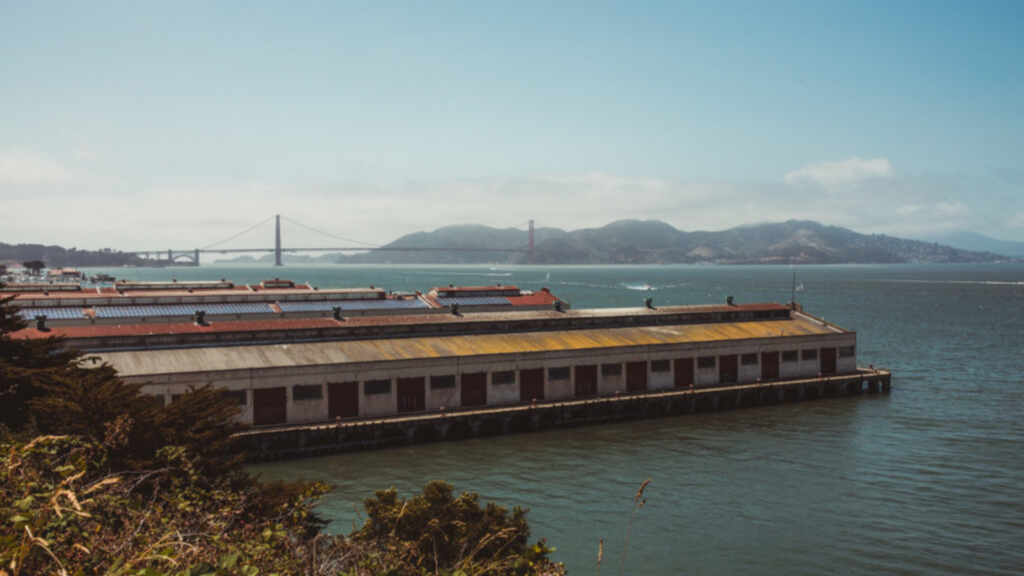
Choosing a dock builder is a high-impact decision for any waterfront property owner. Dock construction is a permanent marine investment that must perform under constant water movement, vessel activity, weather exposure, and regulatory oversight. When designed and built correctly, a dock provides safe access, long service life, and strong property value support. When handled poorly, it can lead to structural failure, permit complications, and ongoing repair costs.
Property owners searching for dock builders in Palm Beach often focus on price or timelines. In reality, technical expertise, marine experience, and construction standards matter far more. This guide explains how dock construction works, what separates qualified dock builders from general contractors, and how to choose the right team to protect your investment.
What Dock Construction Really Involves
Dock construction goes far beyond surface decking. It requires designing a load-bearing structure that transfers weight into submerged soil while resisting lateral forces from wakes, currents, and vessel movement.
Unlike land-based structures, docks are exposed to constant moisture, salt, and movement. These conditions amplify even small design or installation mistakes. Expert dock builders assess water depth, soil conditions, shoreline behavior, and intended use before finalizing any design.
Why Choosing the Right Dock Builder Matters
Marine Construction Experience
Not all contractors who build docks have true marine construction experience. Dock construction experts plan for future changes, such as accommodating larger vessels, increased traffic, or additional equipment, which often becomes a deciding factor when property owners assess dock builders near me and how to find the right team during the early planning stages.
Builders without this background frequently rely on standard layouts and generalized construction methods that fail to respond to site-specific forces. Over time, this approach can lead to structural movement, accelerated material wear, and performance issues that require corrective work far sooner than expected.
Understanding Structural Forces
Dock structures must support vertical loads from use and equipment while resisting lateral forces created by waves, wakes, and changing water levels. These forces act continuously below the surface and place stress on piles, framing, and connections.
When design decisions focus mainly on surface layout, the structural system beneath is often underbuilt, increasing the risk of movement, loosening, or premature deterioration over time.
Types of Docks and How Builders Decide
Fixed Dock Construction
Fixed docks are supported by pilings driven into the seabed and remain at a constant elevation. They are commonly used in deeper water or areas with regular vessel traffic.
A well built fixed dock depends on accurate pile depth calculations, proper spacing, and precise alignment to resist movement from wakes and currents. When planned correctly, this type offers strong durability and predictable performance.
Floating Dock Construction
Floating docks rely on buoyancy systems and adjust with changing water levels. They are often selected for protected waterways or shallow areas.
Floating dock construction focuses on flotation capacity, anchoring systems, and connection hardware. Poor planning in these areas can lead to excessive movement or uneven loading over time.
Dock Construction Materials and Longevity
Structural Components
Material selection directly affects dock lifespan. Pilings must handle vertical and lateral loads. Framing components must perform under constant moisture exposure. Decking must withstand foot traffic, sunlight, and water contact.
Corrosion and Wear Considerations
Marine environments accelerate corrosion and material fatigue. Experienced dock builders specify fasteners, connectors, and hardware designed for saltwater exposure.
Clear material specifications signal careful planning and help reduce unexpected maintenance needs.
Permitting and Compliance Knowledge
Why Permits Shape Dock Design
Dock construction is regulated to protect navigation, waterways, and shoreline systems. Permits often define dock size, placement, setbacks, and design limitations.
Ignoring permit requirements early can lead to redesigns or approval delays.
Builder Role in the Approval Process
Reliable dock builders review permitting requirements before finalizing designs and coordinate inspections throughout construction. This approach helps maintain compliance through final approval.
Site Conditions That Influence Dock Design
Water and Soil Behavior
Soil composition below the waterline affects pile stability. Soft or shifting soils require different installation methods than dense substrates.
Vessel Traffic and Exposure
Boat size, wake patterns, and nearby traffic increase lateral stress. Dock builders must design structures that remain stable under repeated loading.
Storm and Flood Factors
Storm surge and flood behavior influence elevation, access, and structural planning. Overlooking these conditions can significantly shorten dock lifespan.
Maintenance Planning and Avoiding Common Dock Building Issues
Effective dock construction does not end once installation is complete. Ongoing inspection and maintenance play a key role in safety, structural performance, and cost control. A person who has expertise in dock building explains how materials age in marine conditions, which components require early attention, and how storms or heavy vessel activity can change inspection schedules.
Many dock problems originate not from environmental conditions, but from poor builder selection. Choosing dock builders based only on speed or price often leads to vague material specifications, unclear responsibility for permits, and standard designs applied to sites with very different water behavior.
Conclusion
A dock performs well over time when decisions are based on how waterfront structures actually behave in real conditions. Site characteristics, water movement, structural loads, and permitting all influence long-term results. Reviewing how these factors come together in practice, such as the considerations outlined in Florida dock design and construction practices, helps reinforce why careful planning and experienced execution matter. Approaching dock construction with this level of understanding supports safer use, fewer structural issues, and more predictable performance over the life of the dock.