Coastal protection is a disciplined field within marine construction and coastal engineering that requires far more than installing a physical barrier at the water’s edge. Every shoreline presents a distinct combination of wave climate, tidal movement, storm surge exposure, soil composition, and long-term environmental loading that must be carefully analyzed before selecting a stabilization strategy. Effective shoreline protection systems are engineered to manage hydrodynamic forces, control coastal erosion, stabilize foundations, and maintain structural integrity under constant saltwater exposure.
From private waterfront developments to commercial ports and public infrastructure, successful coastal protection integrates seawalls, bulkheads, breakwaters, revetments, living shorelines, and deep foundation systems into a coordinated design approach. Rather than simply blocking water, these marine construction techniques work together to dissipate wave energy, prevent scour, and deliver durable shoreline stabilization built for better performance.
1. Vertical Shoreline Defense
Seawalls and Bulkheads
Vertical systems are used where land space is limited and direct shoreline reinforcement is required.
Seawalls
Seawalls are engineered to resist direct wave impact. They are typically constructed from reinforced concrete, steel sheet piles, or composite systems. Many include curved or stepped faces designed to redirect wave force upward, reducing energy concentration at the base and limiting scour.
These systems are common along urban waterfronts, exposed coastlines, and public infrastructure corridors.
Bulkheads
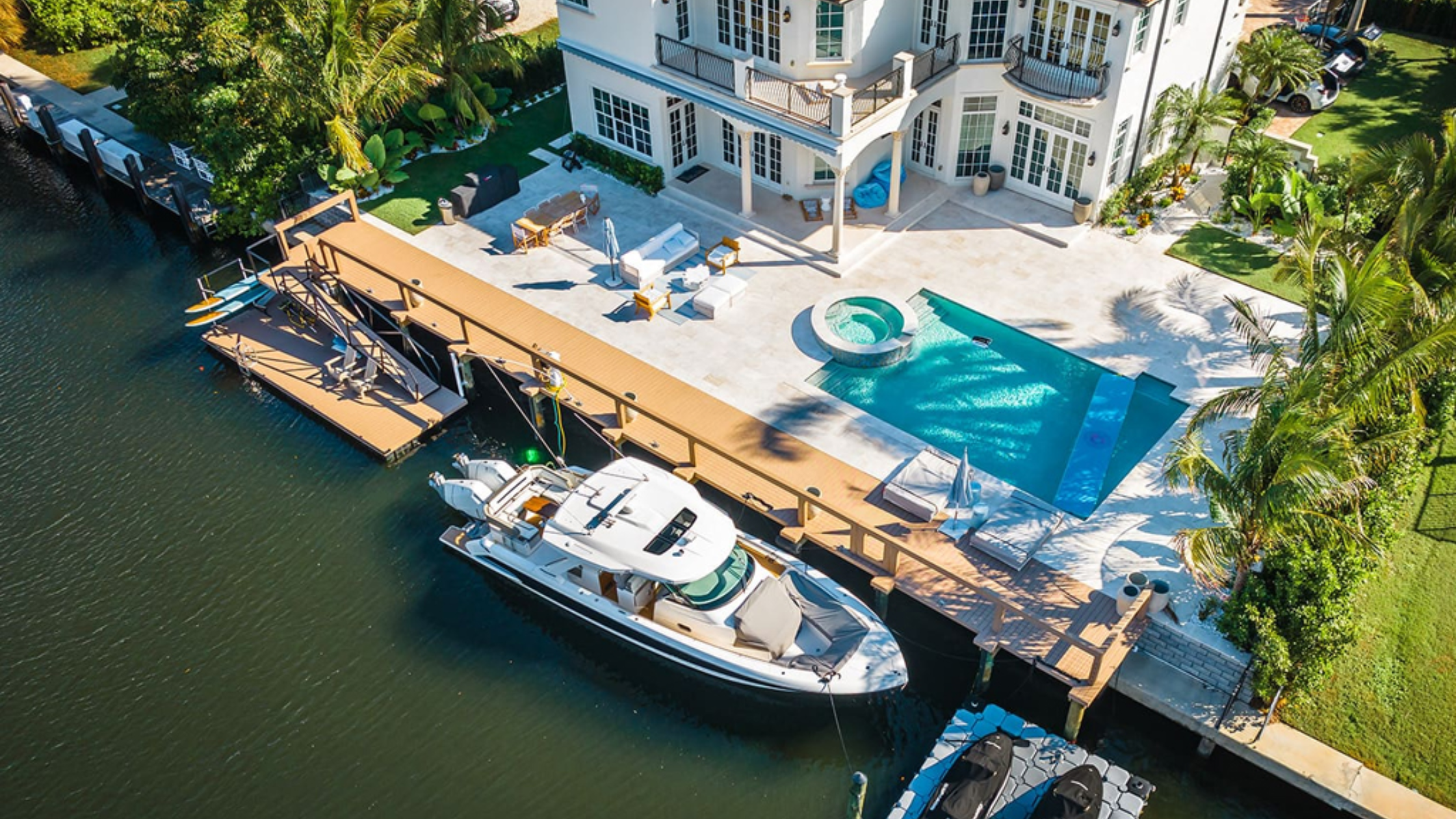
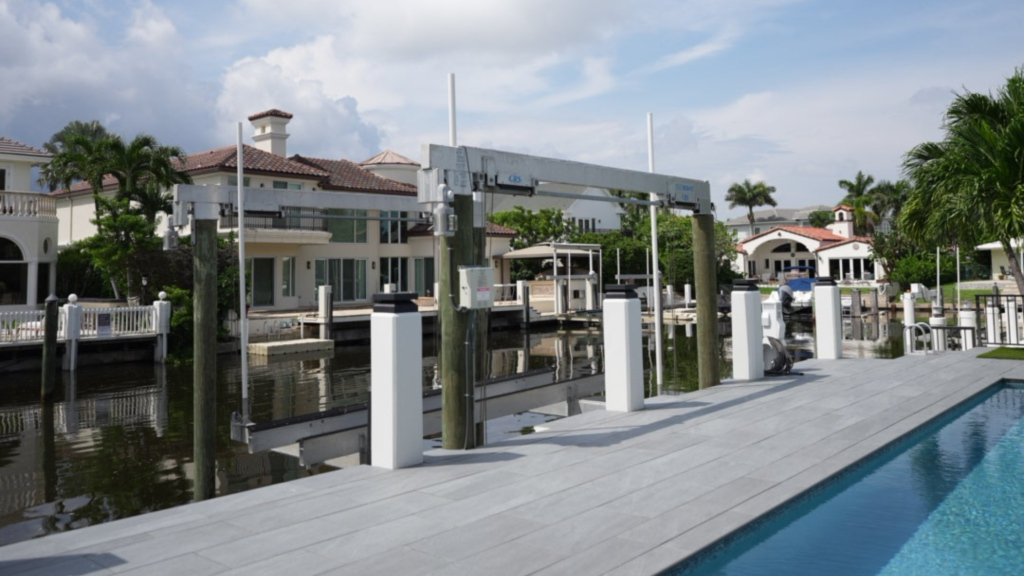
Bulkheads function primarily as soil retention systems. They stabilize upland areas against tidal fluctuation and minor wave action. Steel sheet piling is common in heavy-duty applications, while vinyl or composite materials are frequently selected for residential installations due to corrosion resistance.
Key Engineering Considerations
- Proper embedment depth
- Tie-back anchoring systems
- Drainage layers to relieve hydrostatic pressure
- Toe protection against scour
Without adequate drainage, retained water pressure can compromise structural performance over time.
Best suited for: Marinas, canals, commercial waterfronts, and space-constrained properties.
2. Offshore Energy Reduction
Breakwaters
Rather than defending directly at the shoreline, breakwaters intercept wave energy offshore.
This reduces erosion by calming water conditions before waves reach land.
Rubble Mound Breakwaters
Constructed from layered quarry stone with heavy armor rock on the exterior. Wave energy dissipates gradually as water passes through the voids between stones, reducing direct force.
Effective in moderate to high energy environments.
Concrete Armor Units
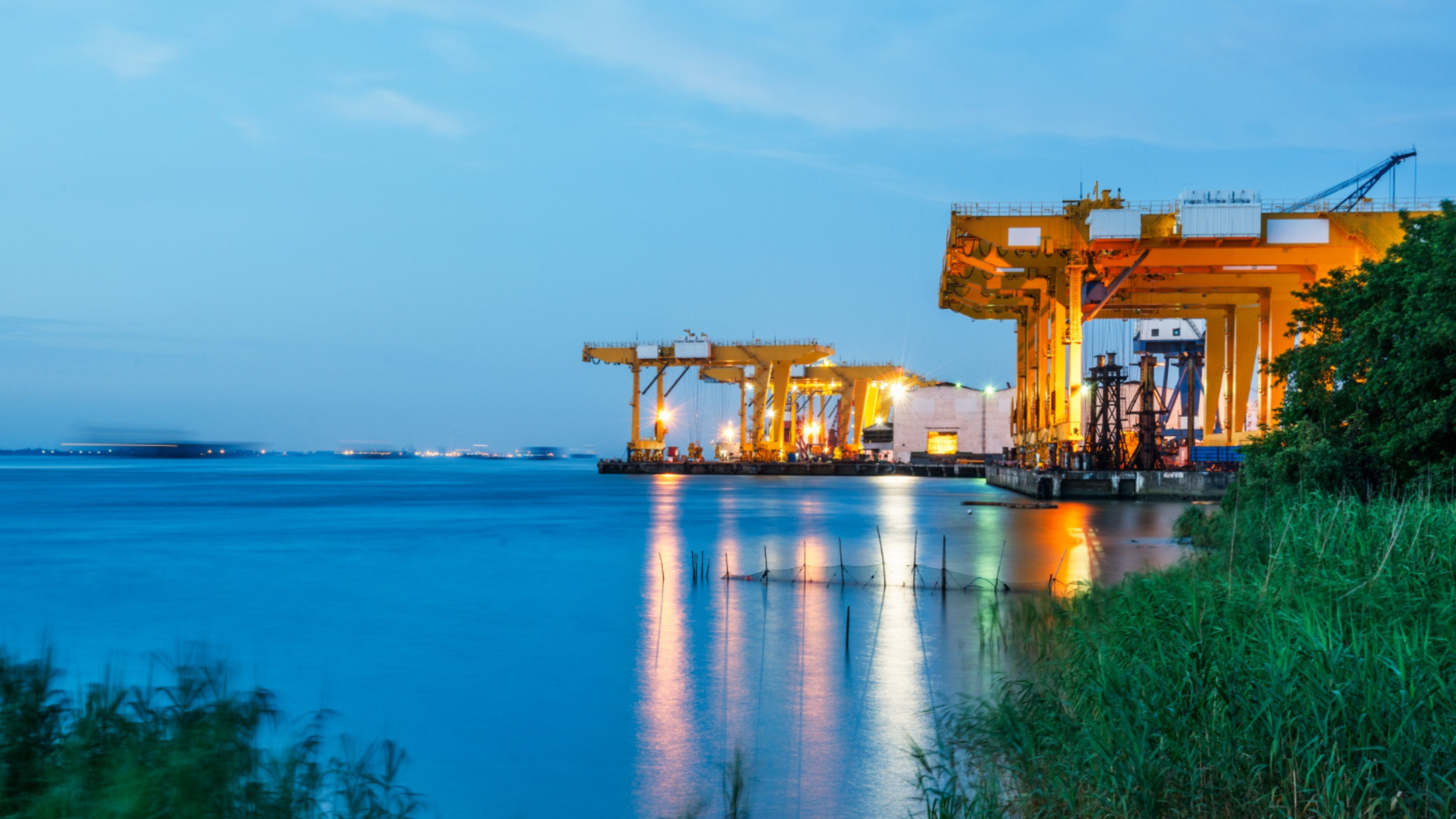
Interlocking units resist displacement while allowing energy dissipation through structural gaps. Common in ports and exposed shorelines where forces are significant.
Floating Breakwaters
Anchored to the seabed, these systems reduce short-period waves in protected harbors and marinas without major seabed alteration.
Design Factors
- Wave height and period
- Directional exposure
- Settlement potential
- Scour risk at the base
Best suited for: Breakwaters are often the first line of defense in layered coastal systems.
3. Sloped Stabilization Systems
Revetments and Living Shorelines
Instead of resisting waves with vertical force, sloped systems absorb and distribute energy.
Rock Revetments
A filter layer or geotextile fabric is placed beneath graded stone. Larger armor rock absorbs impact while allowing water to move through the structure, reducing pressure buildup.
These systems tolerate minor settlement and are easier to repair than rigid walls.
Living Shorelines
Vegetation, oyster reefs, and biodegradable erosion control materials reinforce soil while maintaining ecological balance. These systems perform best in estuaries and sheltered bays with moderate wave exposure.
Best suited for: Residential shorelines, environmentally sensitive areas, and projects balancing protection with habitat preservation.
4. Subsurface Stability
Deep Foundations and Scour Protection
Many failures originate below the water level.
Scour removes sediment around structural elements, reducing support capacity and increasing instability risk.
Deep Foundations
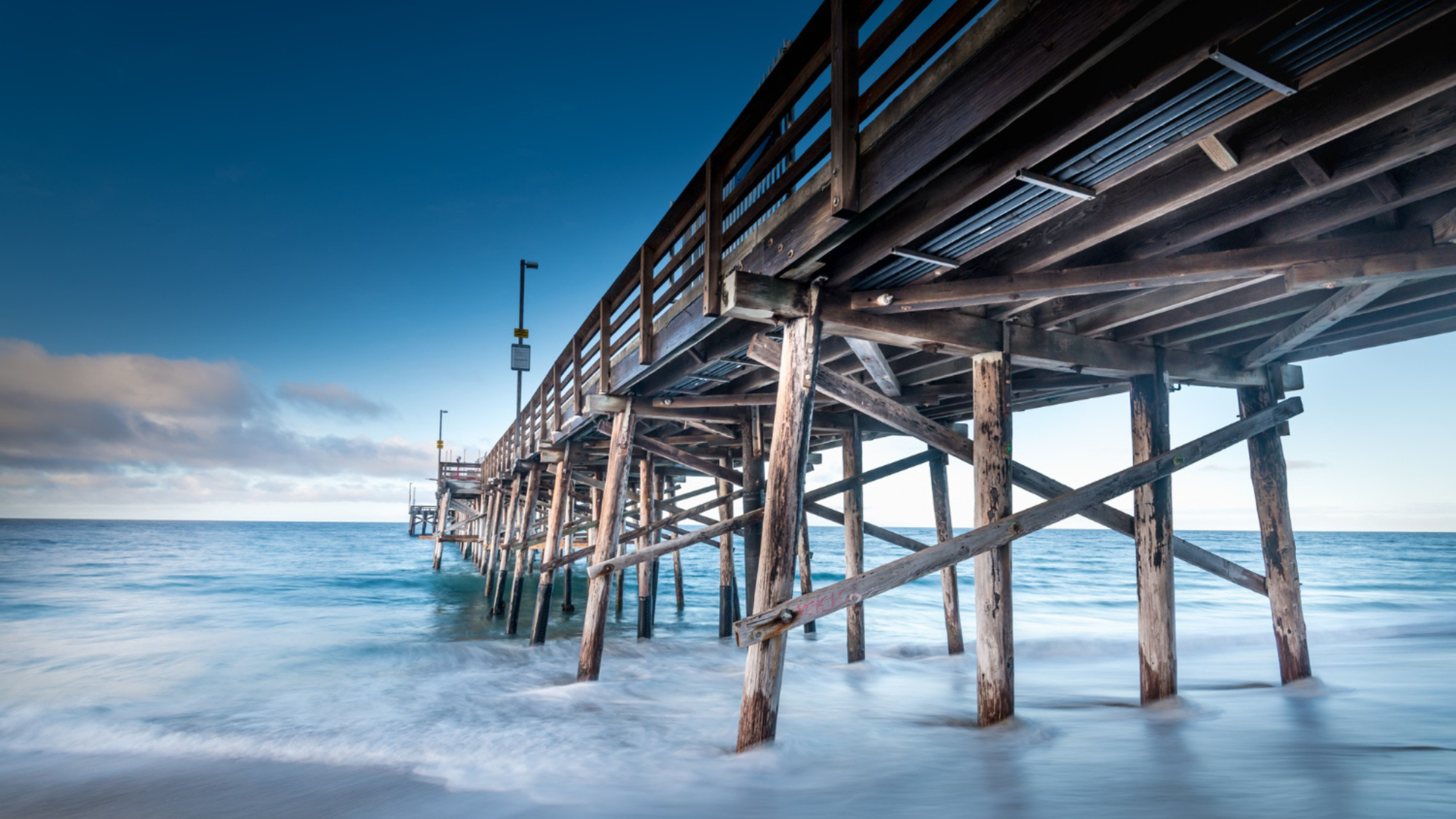
Steel pipe piles, prestressed concrete piles, and drilled shafts transfer loads into stable soil strata beneath the seabed. A proper geotechnical investigation determines embedment depth and bearing capacity.
Scour Protection Measures
- Rock armoring around foundations
- Articulated concrete mattresses
- Geotextile containment systems
Hydrodynamic modeling helps predict sediment movement under storm surge and tidal flow conditions, improving durability.
Essential for: Bridges, docks, port terminals, and heavy marine infrastructure.
Integrated Coastal Protection Strategy
Effective shoreline protection rarely relies on a single marine construction method. Instead, coastal stabilization is achieved through a layered system where each component performs a specific role. An offshore breakwater may reduce incoming wave energy before it reaches land. A revetment can stabilize the shoreline and absorb residual wave force. Deep foundations then secure elevated structures by transferring loads into stable subsurface soils.
The right combination depends on wave climate, soil conditions, water depth, tidal range, regulatory requirements, and projected maintenance costs. Material durability is equally important, as marine environments accelerate corrosion and fatigue. Proper material selection, protective treatments, and routine inspections are essential to ensure structural performance and extended service life.
Conclusion
Coastal protection requires careful selection and design of shoreline defense systems based on site-specific hydraulic, geotechnical, and environmental conditions. Established coastal engineering guidance emphasizes that seawalls, bulkheads, revetments, and breakwaters must be evaluated not only for structural strength, but also for their influence on sediment movement, wave reflection, and adjacent shorelines.
Effective marine construction practices integrate these elements with proper foundation design and scour protection to ensure stability above and below the waterline. When shoreline stabilization measures are chosen through detailed engineering assessment and aligned with regulatory and environmental considerations, they provide reliable protection for waterfront infrastructure while maintaining balanced coastal performance.