Marine construction is a specialized branch of civil engineering and construction that focuses on designing, building, and maintaining structures in or near water. These projects can range from private docks and marinas to seawalls, piers, bulkheads, floating platforms, and even offshore industrial installations. Unlike traditional land-based construction, marine projects face unique challenges such as water currents, tides, saltwater corrosion, and environmental regulations, which demand a high level of expertise, precision, and durable materials.
Marine construction is essential for coastal communities, waterfront property owners, municipalities, and commercial operators. It ensures safe and resilient access to waterways, protects shorelines, and supports economic growth through the development of recreational and commercial infrastructure.
Why Marine Construction Is Important
The importance of marine construction goes far beyond aesthetic enhancements. Properly planned and executed projects can have a significant impact on coastal resilience, community safety, and economic development.
- Shoreline Protection: Seawalls, bulkheads, and revetments prevent erosion and safeguard coastal properties. Seaside Marine Construction specializes in building safe and sustainable waterfront structures that stand the test of time.
- Access and Recreation: Marinas and waterfront infrastructure provide convenient and safe access to waterways for boats, tourists, and commercial activities. Well-designed facilities enhance usability and increase the value of coastal properties.
- Economic Benefits: Waterfront infrastructure attracts businesses, boosts tourism, and supports local economies. Recreational docks, fishing piers, and marinas create job opportunities and enhance the appeal of coastal communities.
- Infrastructure Resilience: Ports, ferry terminals, bridges, and energy platforms rely on marine construction to operate safely. Quality coastal construction solutions ensure these facilities withstand harsh conditions, rising sea levels, and extreme weather events.
- Environmental Stewardship: Modern marine construction balances structural needs with environmental concerns. By using eco-friendly materials and practices, projects can protect aquatic habitats while providing functional infrastructure.
Key Types of Marine Construction Projects
Marine construction includes a variety of projects customized to different needs:
Custom Dock Construction
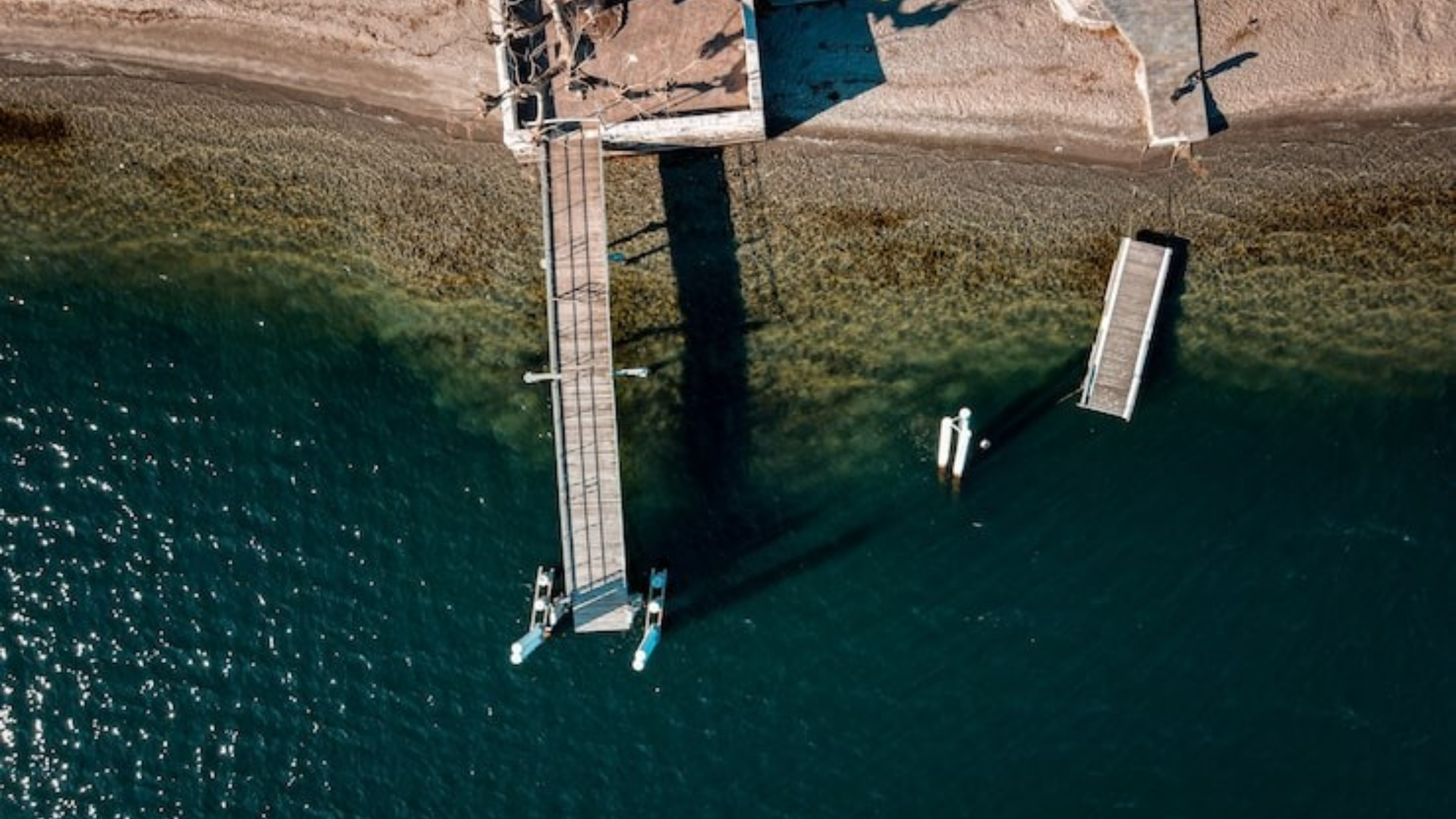
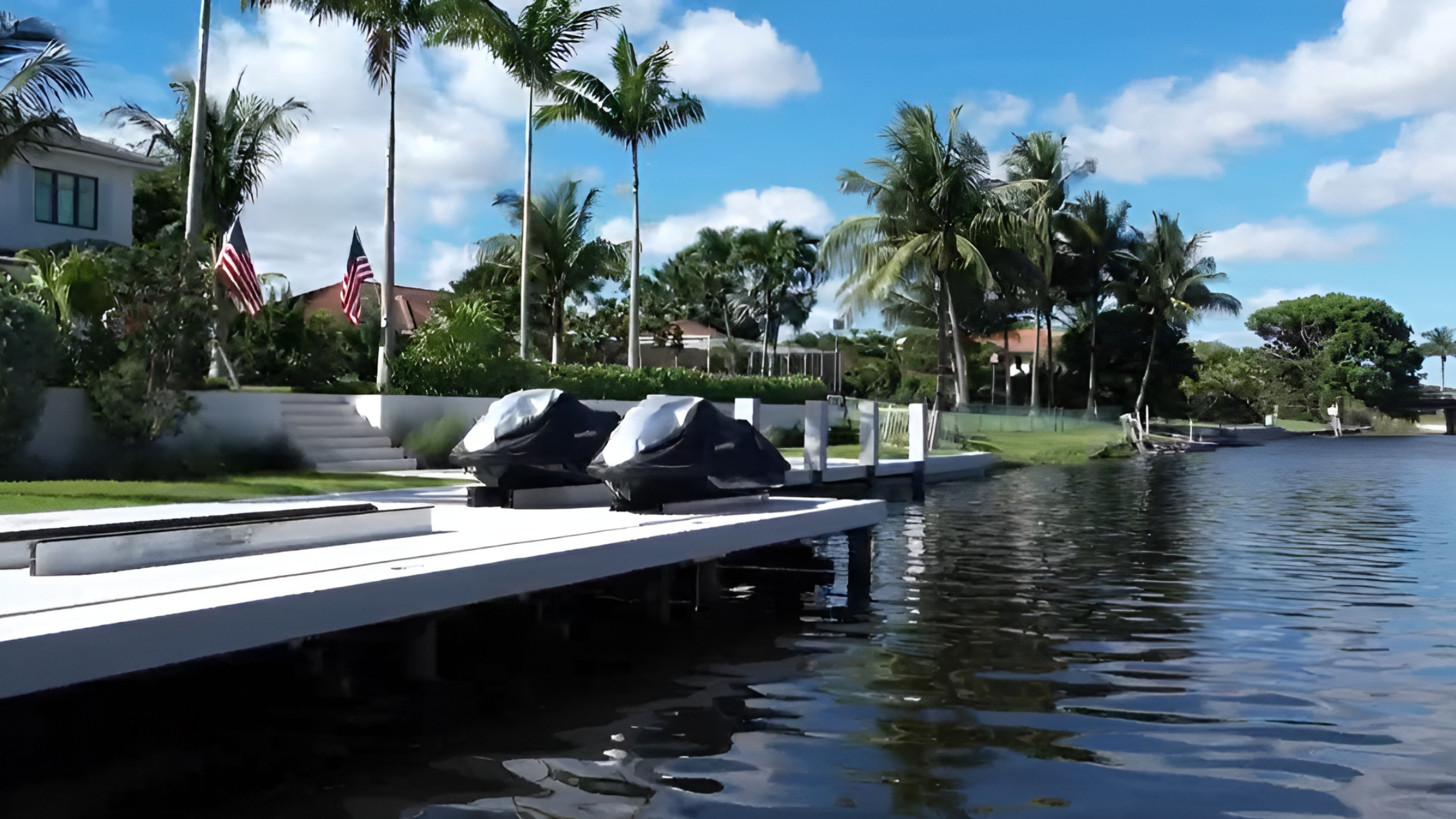
Customized dock construction is essential for private and commercial waterfront access. Dock building involves building piers, floating docks, boat ramps, and mooring areas. These structures must be designed to withstand wave action, tides, and seasonal water level changes. Modern docks often use composite materials to reduce maintenance costs and improve durability.
Seawall and Bulkhead Construction
Seawalls and bulkheads are essential for protecting shorelines from erosion and flooding. Construction typically uses reinforced concrete, steel sheet piles, or rock riprap for long-lasting durability. Following seawall construction best practices for preventing property damage, including proper design, materials, and maintenance, ensures these structures protect coastal properties effectively over time.
Floating Platforms and Boardwalks
Floating platforms and modular boardwalks are designed to rise and fall with water levels. They are commonly used in recreational areas, fishing piers, and waterfront walkways. The use of buoyant, corrosion-resistant materials ensures long-term stability and minimal environmental impact.
Offshore Infrastructure
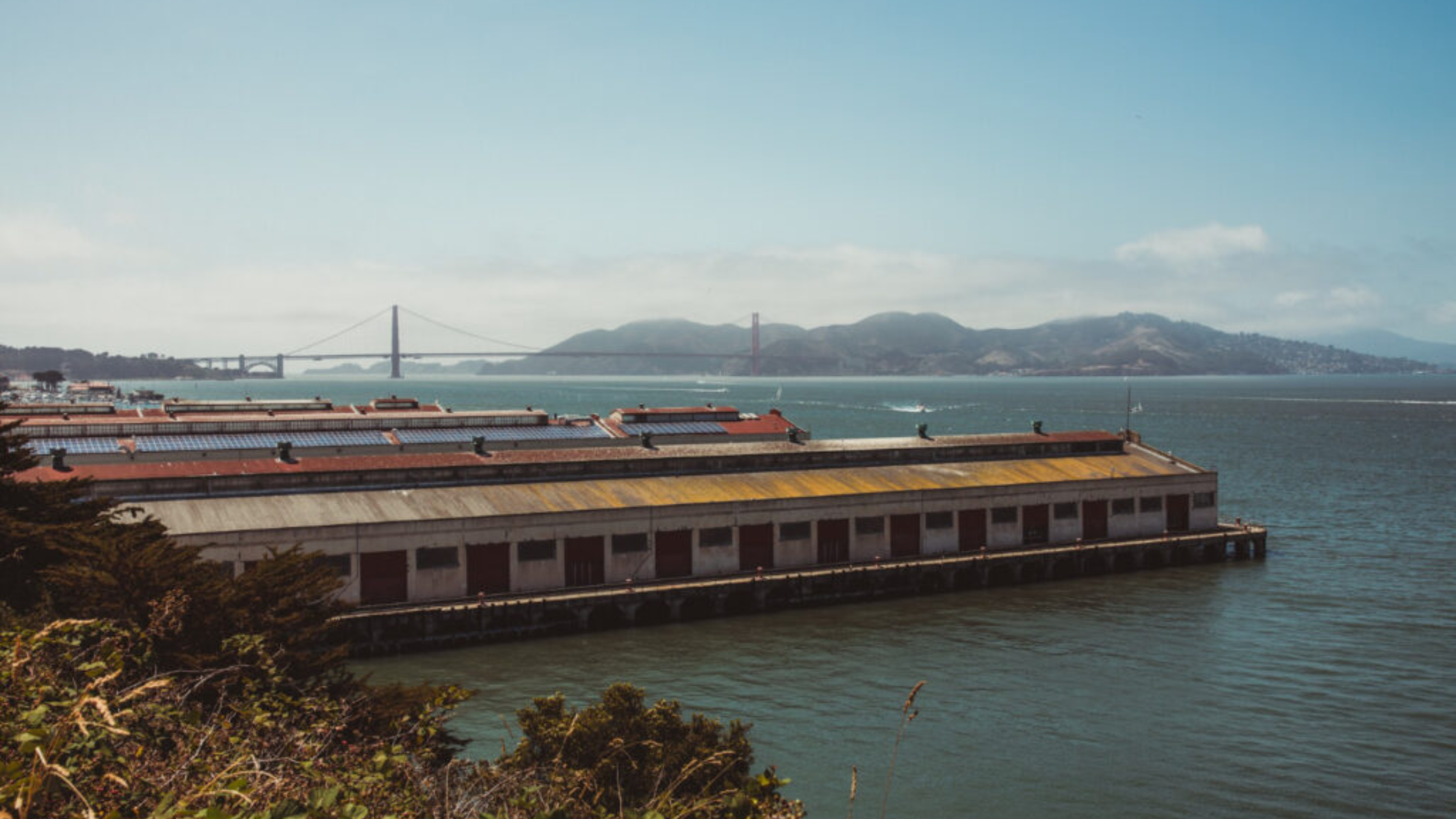
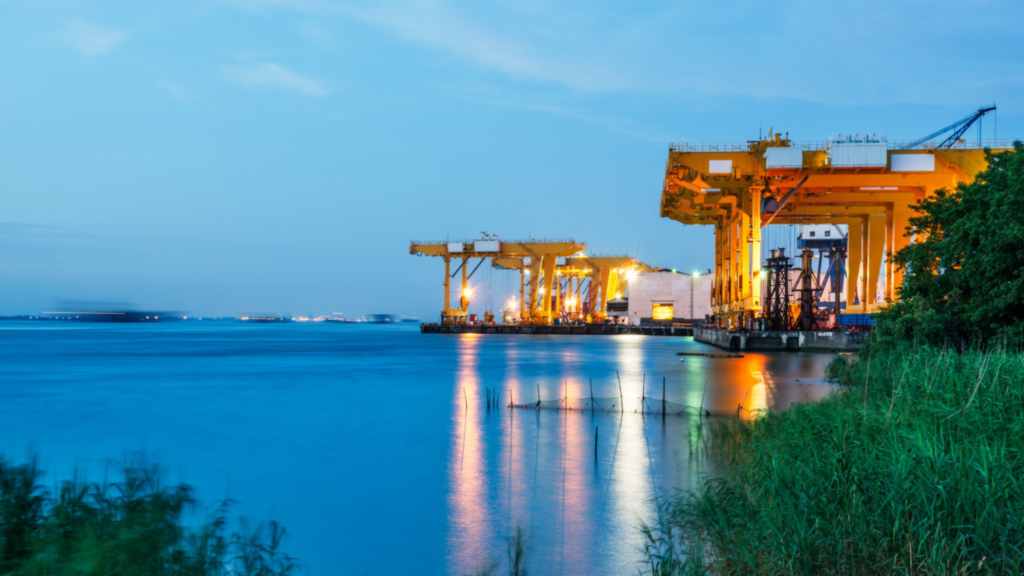
Offshore marine construction supports energy, shipping, and industrial operations. Examples include offshore oil and gas platforms, wind turbine foundations, and pipelines. These projects require advanced engineering to handle strong currents, high waves, and deep-water pressures.
Coastal Restoration Projects
Some marine construction projects focus on environmental restoration, such as wetland rehabilitation, dune stabilization, and shoreline landscaping. These initiatives combine engineering with ecology to create sustainable coastal environments.
Materials Used in Marine Construction
Choosing the right materials is crucial for marine construction due to the harsh environmental conditions.
Steel
Steel is widely used for pilings, beams, and load-bearing frameworks. It provides exceptional strength but requires protective coatings to resist corrosion from saltwater and humidity. Steel is often used in docks, seawalls, pilings, and bulkheads.
Marine-Grade Concrete
Concrete used in marine applications is specially formulated with additives that increase durability and reduce permeability. Marine-grade concrete is ideal for seawalls, piers, pilings, and bridge foundations. Its strength allows structures to withstand wave impact and tidal forces for decades.
Treated Wood
Pressure-treated wood is still a popular material for docks, piers, and boardwalks due to its flexibility and cost-effectiveness. Treatment protects wood from water damage, insects, and decay, though it requires periodic maintenance to maintain performance.
Composite Materials
Fiber-reinforced composites are increasingly popular in marine docks. They offer low maintenance, high durability, and resistance to moisture, UV damage, and saltwater. Composites are especially advantageous for areas exposed to heavy foot traffic or high moisture conditions.
Plastics and PVC
Plastic and PVC components are often used for minor structural elements, fenders, drainage systems, and protective barriers. These materials are lightweight, corrosion-resistant, and easy to install, making them ideal for modular or smaller marine projects.
Methods and Techniques in Marine Construction
Marine construction requires specialized techniques to address the unique challenges of water-based environments:
Piling Installation
Piles provide deep foundation support for docks, piers, and offshore platforms. They are driven into the seabed using vibration or impact hammers from floating platforms. Materials include steel, concrete, or timber, depending on load requirements and environmental conditions.
Cofferdams and Dewatering
Cofferdams are temporary watertight enclosures used for construction below water. Water is pumped out to create a dry work area for building foundations, bulkheads, or seawalls. This method ensures safety and accuracy during construction.
Seawall Construction and Repair
Seawalls protect shorelines from erosion and flooding. An expert seawall construction and repair company uses techniques like reinforced concrete walls, sheet piling, or riprap installation to restore and maintain structural integrity. Regular inspection and maintenance are essential to extend their lifespan.
Floating and Modular Platforms
Floating docks and modular walkways are engineered to rise and fall with tides. They use buoyant materials and secure anchoring systems to ensure stability and safety. These structures minimize environmental impact while providing versatile access to waterways.
Environmental and Regulatory Compliance
All marine construction projects must comply with local, state, and federal environmental regulations. This includes permits, impact assessments, and mitigation measures to protect water quality and aquatic habitats.
Benefits of Marine Infrastructure Construction
Marine construction offers multiple benefits for coastal communities, property owners, and commercial operators:
Shoreline Protection
Coastal infrastructure construction safeguards waterfront properties from erosion, storms, and rising sea levels. Well-built seawalls, bulkheads, and revetments provide long-term protection.
Improved Access and Recreation
Dock construction for waterfront properties improves safe access for boats and water-based activities, supporting recreational boating, fishing, and tourism along local waterways.
Economic Growth
Waterfront infrastructure attracts investment, boosts local businesses, and increases property values. Marinas, piers, and docks support both commercial and recreational economies.
Resilient Infrastructure
Marine construction ensures long-lasting, safe, and adaptable structures capable of withstanding extreme weather, tides, and flooding.
Sustainability and Low Maintenance
Advanced materials such as composites, marine-grade concrete, and treated steel reduce maintenance requirements, extend lifespan, and provide environmentally responsible solutions.
Challenges in Marine Construction
Despite the benefits, marine construction presents unique challenges:
- Environmental Sensitivity: Projects must protect water quality and aquatic ecosystems while complying with strict regulations.
- Weather and Tides: Construction schedules are dependent on tides, waves, storms, and seasonal changes.
- Logistics and Access: Transporting materials, equipment, and personnel to water-based sites increases complexity and costs.
- Maintenance Requirements: Saltwater and harsh weather conditions necessitate regular inspection and repairs to maintain structural integrity.
Conclusion
Marine construction is a critical investment for the safety, functionality, and long-term value of waterfront areas. Whether it involves dock construction, seawall installation, or broader coastal construction projects, high-quality marine engineering combines expertise, durable materials, and sustainable practices to protect shorelines and enhance waterfront communities.
By planning carefully, selecting the right materials, and working with experienced professionals, property owners, municipalities, and commercial operators can ensure resilient, long-lasting, and environmentally responsible marine structures. These projects not only safeguard coastal properties but also support economic growth, recreational boating, and sustainable use of waterways. For more guidance on coastal infrastructure and best practices, the NOAA Digital Coast tools provide valuable resources for planning and managing resilient marine and shoreline projects.