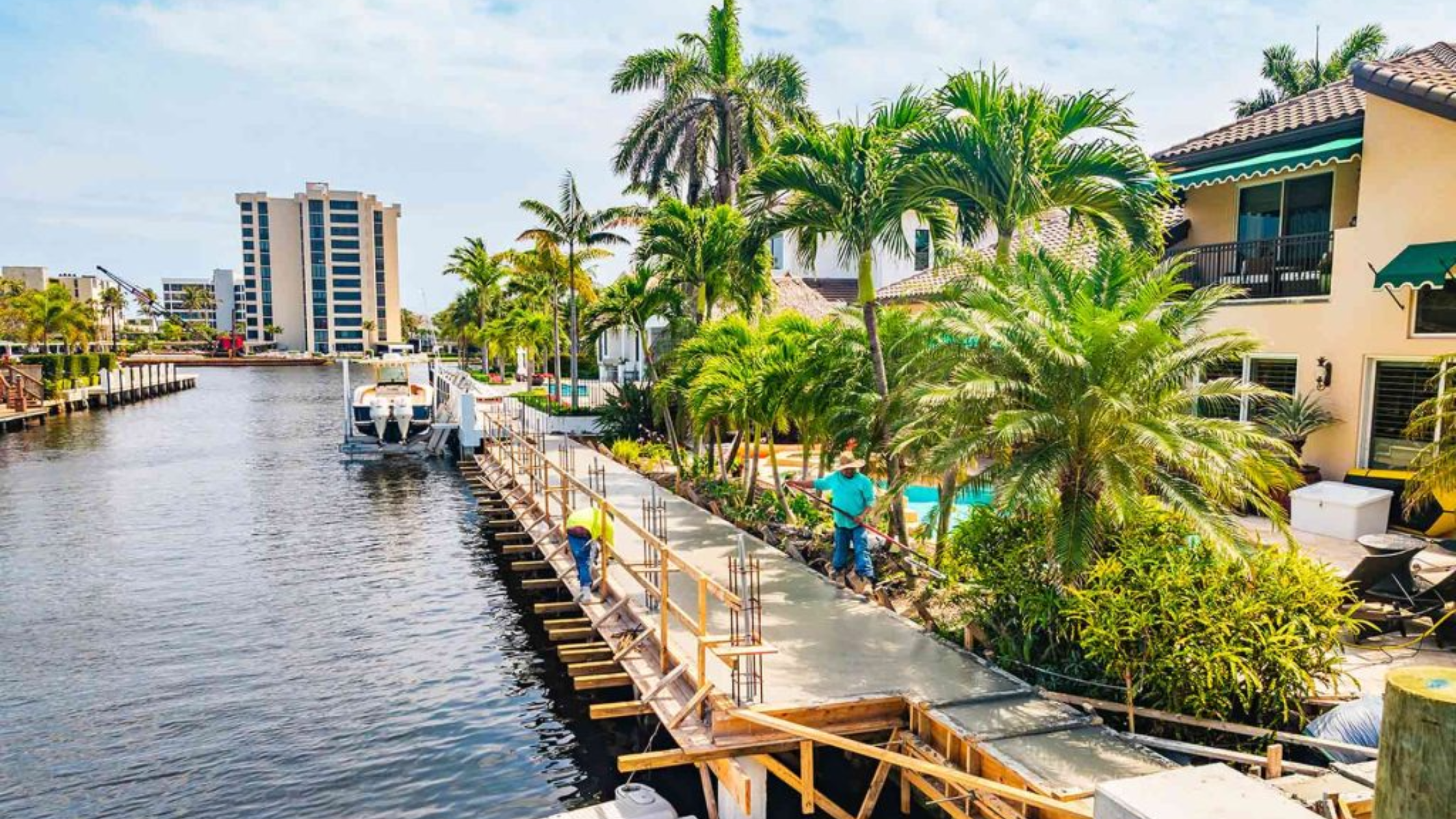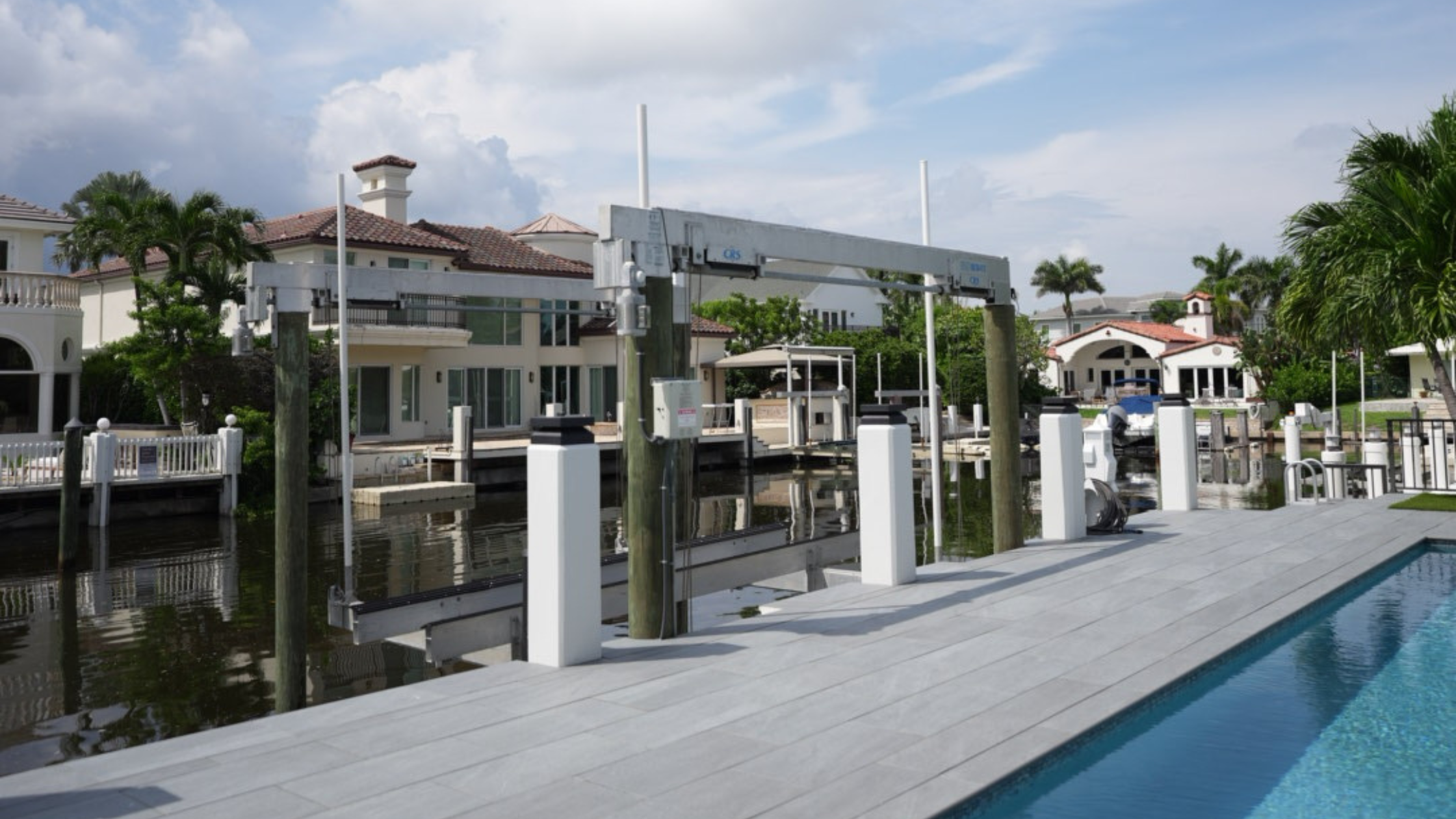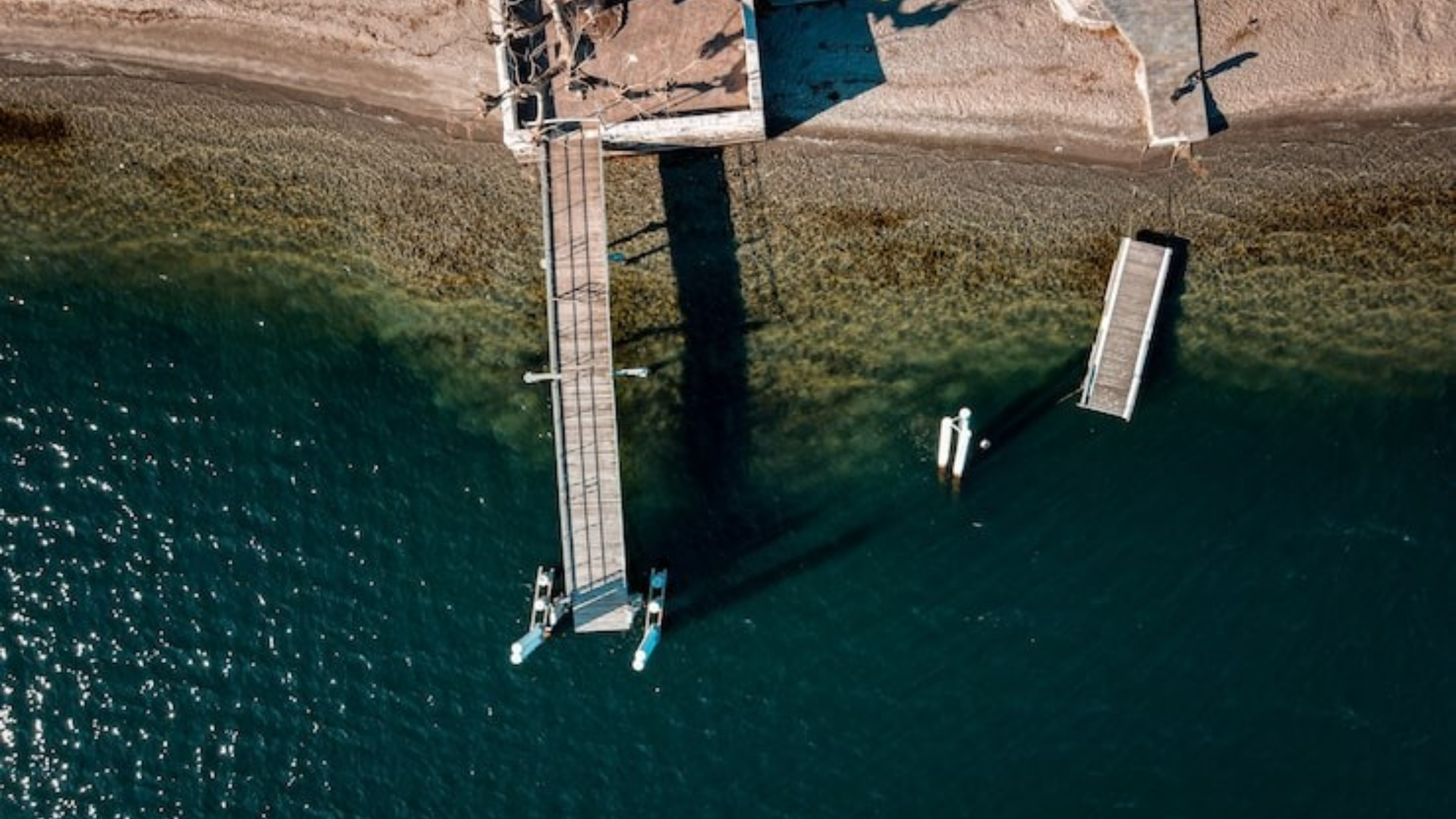
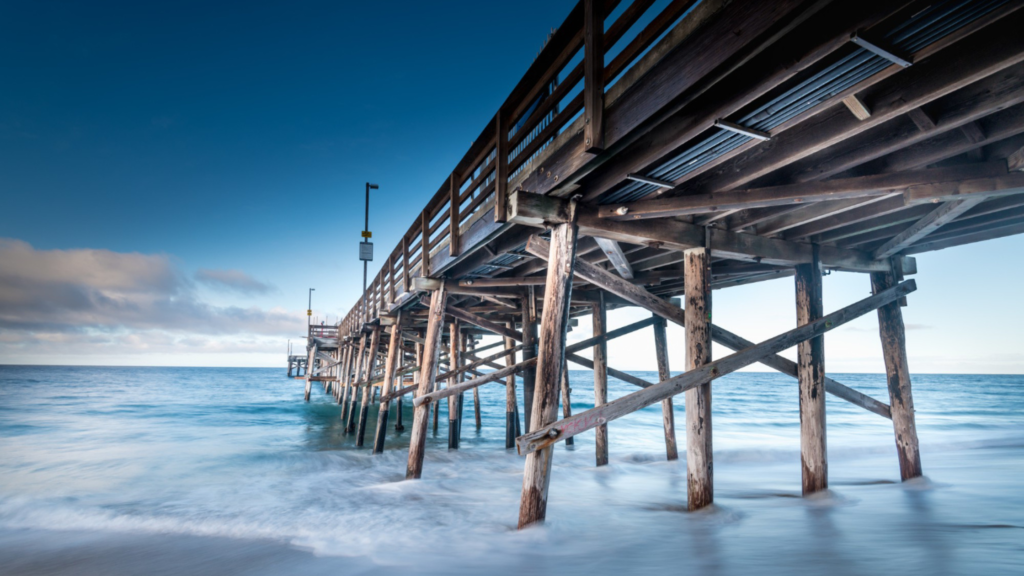
Starting a waterfront construction project in Florida is exciting, yet success depends on thoughtful preparation before any work begins. Many property owners begin by researching experienced dock builders, reviewing available dock construction services, and speaking with marine construction teams to plan their waterfront project. A dock is more than a platform over water. It becomes part of daily waterfront use, property protection, and overall property value. Florida waters bring tidal shifts, strong sun, storm seasons, and strict approval processes. Early planning helps avoid delays, control costs, and results in a dock that performs reliably for years ahead.
This guide outlines essential considerations to support confident decision-making backed by practical marine building knowledge.
Understanding Florida Waterfront Rules Before You Build
Shoreline projects in Florida follow environmental and structural regulations designed to protect waterways, navigation routes, and neighboring properties. Dock approvals often involve county offices, state environmental departments, and water management authorities. Permit timelines vary by region, so submitting applications early helps prevent schedule disruptions.
Before design begins, confirming shoreline ownership rights, property boundaries, and conservation zones is necessary. Some areas limit dock length, height, or proximity to adjacent structures. Working with a marine construction team familiar with local approval procedures keeps documentation accurate and avoids unnecessary setbacks.
Evaluating Shoreline and Water Conditions
Every waterfront site behaves differently. Water depth, tidal range, seabed type, and wave action influence dock stability. Florida weather patterns also affect water behavior during storm months.
A professional site assessment determines piling depth, deck height, and suitable material selection. Soft seabed zones may require deeper anchoring. Locations exposed to frequent boat wakes benefit from reinforced structural design. Understanding site conditions early ensures the dock remains stable and secure in local waters.
Designing a Dock That Fits Daily Use
Dock design should reflect how the space will be used. Some owners prioritize boat access, while others focus on fishing, relaxing, or family gatherings. Florida water level changes also influence whether a fixed or floating dock system is more suitable.
Fixed docks offer firm stability in areas with moderate tidal movement. Floating docks adjust to water-level changes and work well in regions with greater tidal variation. Seating zones, boat lifts, lighting, and storage areas can be included in early planning. Thinking ahead prevents costly modifications later.
Meeting Florida Building Code Standards
Marine structures in Florida must withstand high wind loads, storm surge, and wave force. Building codes are in place to improve safety and reduce property risk.
Structural plans should meet code requirements for piling depth, load capacity, railing height, and fastening systems, marine-grade connectors, and corrosion-resistant hardware to support strength. Following code standards from the start also supports insurance compliance and reduces future repair needs.
Electrical Planning and Waterfront Safety
Many docks include power for lifts, lighting, or equipment charging. Electricity near water must be installed with care.
Marine-rated wiring, grounding systems, and protective circuit devices help reduce shock risk. Licensed marine electricians ensure proper installation suited to waterfront environments. Planning inspection access also supports ongoing safety as equipment ages.
Choosing Materials for Saltwater Conditions
Florida saltwater accelerates wear on standard building materials. Selecting marine-appropriate materials increases dock lifespan and reduces maintenance effort.
Decking options include treated lumber or composite boards designed for moisture exposure. Pilings may use treated wood, concrete, or synthetic materials suitable for marine use. Stainless or coated hardware slows corrosion. A balanced material plan considers appearance, durability, and budget without sacrificing performance.
Planning for Future Changes
Waterfront lifestyles often expand over time. New boats, watercraft, or gathering needs may require added dock space later.
Designing with flexibility allows room for future boat lifts, added mooring points, or extended deck sections. Even if these features are not installed immediately, planning space during initial construction helps avoid costly structural changes later.
Understanding the Full Project Budget
Dock construction includes more than materials and labor. Permits, engineering reports, site surveys, electrical work, and shoreline restoration can add to the total cost.
Setting a realistic budget that includes these elements helps avoid financial surprises. Clear planning also makes contractor proposal comparison easier and keeps the project moving smoothly.
Preparing for Ongoing Dock Maintenance
Once construction is complete, routine care keeps a dock safe and durable. Florida sun, saltwater, and marine growth gradually affect deck surfaces, hardware, and pilings.
Scheduled cleaning helps maintain safe walking surfaces. Annual inspections of pilings, fasteners, and electrical systems identify early wear before serious damage develops. Before storm season, securing loose equipment and checking connections adds another layer of protection. A maintenance plan extends dock lifespan and preserves appearance.
Building Safe and Sustainable Waterfront Structures
Strong marine projects rely on proper engineering and responsible building practices. Structural planning plays a key role in dock stability, safety, and environmental care. Insight into proven approaches for shoreline projects can be found through Seaside Marine Construction Building Sustainable Waterfront Structures, a resource that highlights practical guidance for secure dock and waterfront development.
Choosing the Right Marine Construction Team
Marine construction requires specialized equipment, tide scheduling experience, and underwater installation knowledge. Selecting a team with Florida waterfront project experience reduces risk and improves overall project outcome.
Ask about previous local projects, familiarity with permit offices, equipment capabilities, and warranty support. Clear communication and proven experience make a noticeable difference in final results.
Respecting the Local Marine Environment
Florida waterways support sensitive habitats and marine life. Responsible dock design reduces disruption and supports approval success.
Open decking that allows light to reach underwater vegetation, clean construction practices, and careful fuel handling zones contribute to healthier waters. Environmentally aware planning benefits property owners and surrounding ecosystems alike.
Conclusion
Building a dock in Florida is a valuable property improvement when guided by careful planning. Permits, site evaluation, design choices, material selection, safety systems, and maintenance preparation all shape project success. With skilled marine professionals and thoughtful preparation, property owners gain a dock that supports everyday waterfront living and lasting property value. For additional guidance on permit requirements and coastal building standards, resources such as the Florida Department of Environmental Protection’s dock construction guidance and the Florida Building Code standards for marine structures offer helpful public information for waterfront property owners.
Many homeowners research topics such as the cost to build a dock for Florida waterfront homes, planning a residential dock in Florida waters, or selecting the right dock design for tidal properties. In every case, early preparation and expert guidance lead to stronger long-term results.