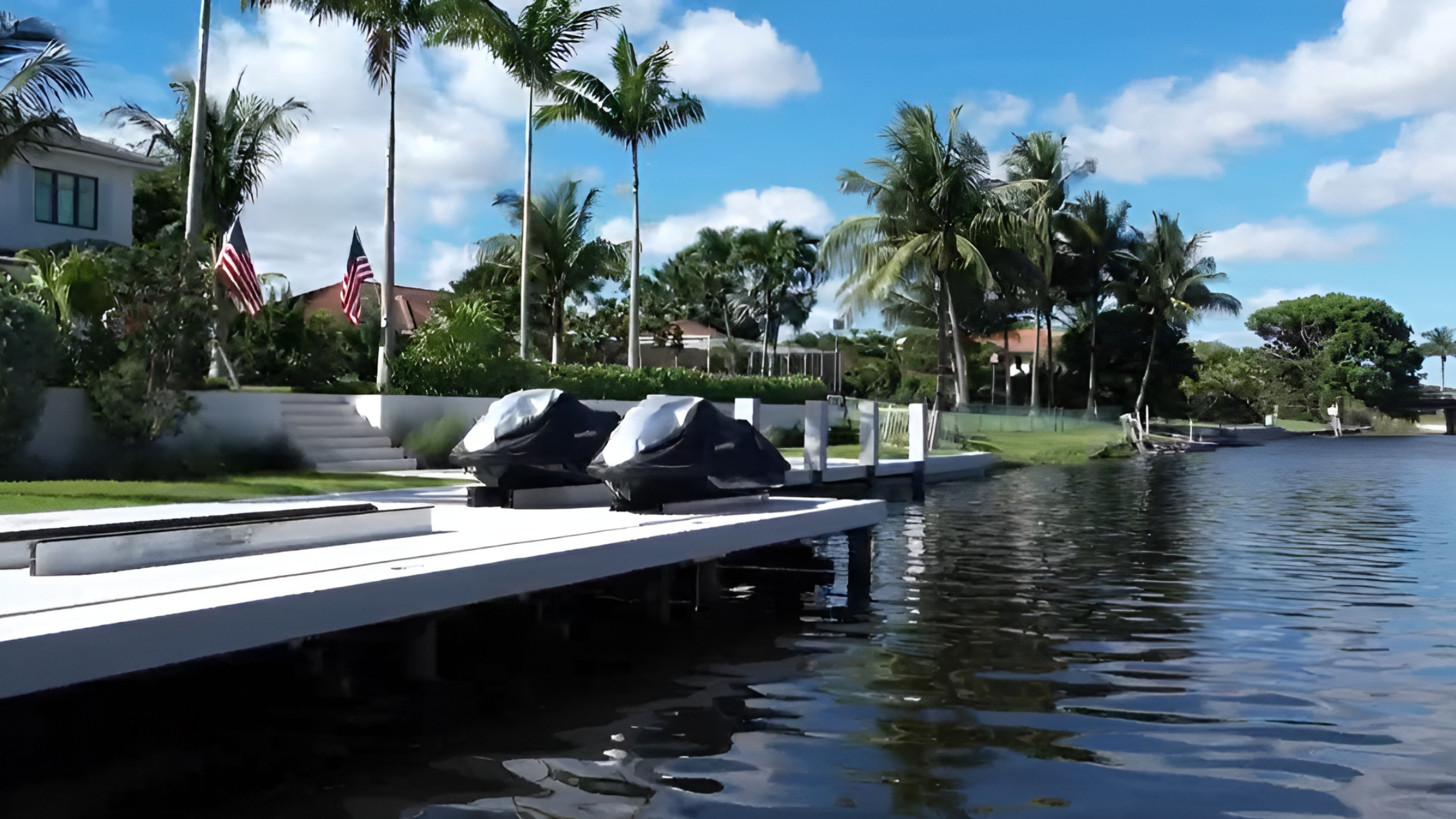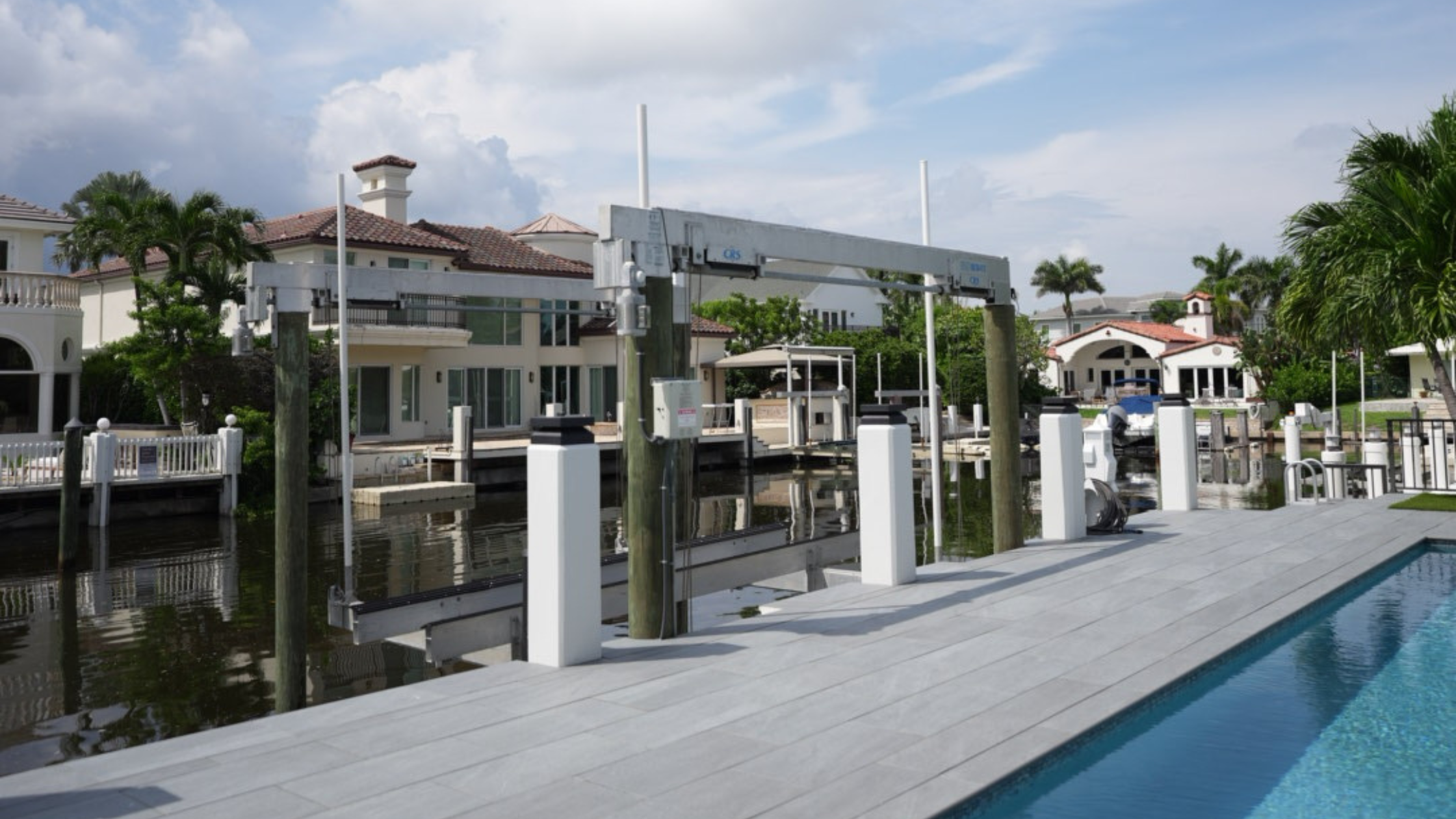
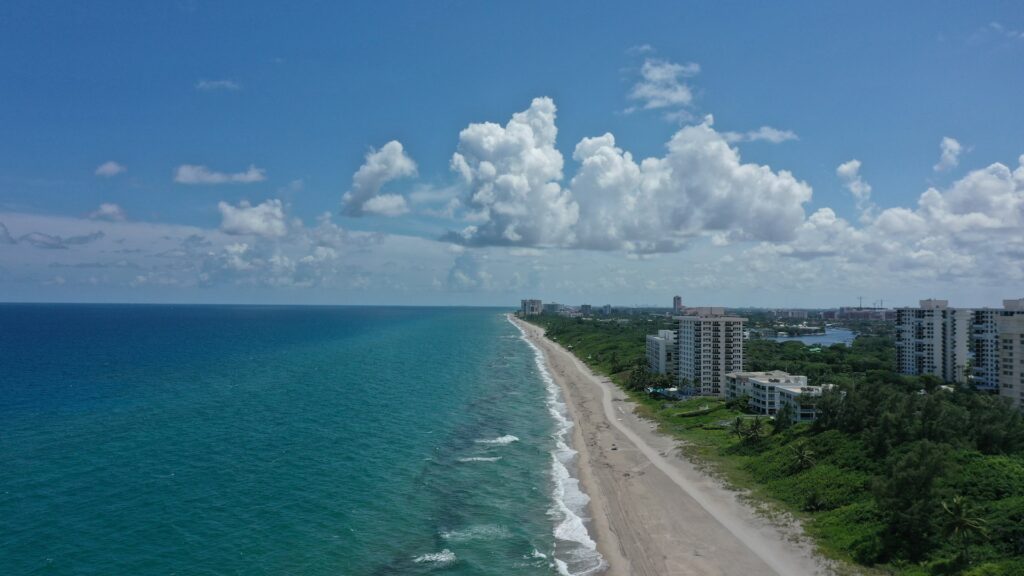
If you spend any time near the water in South Florida, you have likely noticed seawalls along canals, bays, and other waterfront properties. These structures are more than just a concrete barrier. They are an engineered solution designed to protect your shoreline, your home, and your investment from the constant forces of nature. Understanding what a seawall is and how it functions is the first step in making an informed decision for your property.
What Is a Seawall?
A seawall is a structure built along a shoreline to separate the land from the water. Its primary job is to absorb and redirect the energy of waves, tides, and storm surges before they can reach the soil behind it. In coastal regions like Southwest Florida, seawalls are especially important for mitigating the effects of storm surges and hurricanes.
Seawalls are commonly made from materials like concrete, steel, vinyl, or precast concrete panels. They are often installed along erosion prone areas where the natural coastline is unable to keep up with wave action or rising water levels.
Seawalls can be vertical or sloped, depending on the design and the specific conditions of the site. The wall is typically embedded into the ground and may include anchoring systems to keep it stable under heavy loads. In many coastal communities, seawalls are a standard feature for protecting homes, roads, and public infrastructure.
How Does a Seawall Work?
Seawalls operate on a simple principle: they block or deflect wave energy so that the water loses its power before it reaches the land behind the wall. When a wave hits a seawall, the energy is either reflected back toward the sea, dissipated along the wall’s surface, or absorbed by the structure itself.
This process prevents the soil from being washed away and stops floodwaters from pushing inland. During hurricanes or heavy storms, seawalls act as a critical barrier that can mean the difference between minor splash and serious structural damage.
A well designed seawall also handles drainage. Most seawalls include weep holes or drainage systems that allow water pressure to equalize on both sides of the wall. Without proper drainage, trapped water could push the wall over from behind. This is why engineering and site specific design are essential for a seawall to function correctly over its lifespan.
Why Do You Need a Seawall?
The main reason property owners install a seawall is to control erosion. As waves repeatedly hit a shoreline, they remove sand and soil bit by bit. Over time, this process can undermine foundations, collapse walkways, and even threaten buildings. Seawalls stop this erosion by creating a solid barrier that the water cannot easily remove.
Seawalls also provide flood protection. For properties located near tidal waters or canals, storm surges can push water far inland. A seawall keeps that water where it belongs in the waterway. This protection extends beyond your property. In many coastal areas, seawalls help keep roads, emergency routes, and public utilities open during flood events.
In South Florida, where canals and bays are lined with homes and businesses, seawalls are not just a luxury. They are a necessity for preserving property values and ensuring safety during storm events.
Types of Seawall Materials
Seawalls are not one size fits all. The best material for your project depends on your soil type, water conditions, budget, and the level of protection you need. The most common options used in Florida include:
Concrete Seawalls: Precast or poured concrete is one of the most popular choices. Concrete panels are strong, durable, and can be designed to match the aesthetics of your property. They resist corrosion better than steel and can last for decades with proper maintenance.
Vinyl Sheet Piles: Vinyl seawalls are lightweight, flexible, and resistant to rust and rot. They are often used in areas with softer soil where driving piles is easier. Vinyl is a cost effective option for many residential properties.
Steel Sheet Piles: Steel offers the highest strength for deep water or high wave energy locations. However, steel is susceptible to corrosion in saltwater environments and may require protective coatings or cathodic protection.
Rock Revetments: While not a traditional vertical seawall, rock revetments use large stones placed on a slope to absorb wave energy. They are more natural looking and allow some water to pass through, reducing reflected wave energy.
How Seawalls Are Installed
Installing a seawall is a complex process that should only be handled by experienced marine contractors. The first step is a thorough site assessment. Professionals evaluate the shoreline condition, soil composition, water depth, and wave patterns. An engineer then designs a custom plan that meets local regulations and permit requirements.
Materials are selected based on the design. The installation involves driving piles into the ground to a depth that provides stability. Panels are then placed between the piles and secured. Drainage systems and backfill are added behind the wall to prevent hydrostatic pressure from building up.
In areas like Palm Beach, property owners work with experienced marine contractors like Seaside Marine Construction who understand local regulations and soil conditions. A professionally installed seawall is a long term investment in your property’s future.
We believe that a seawall is more than just a barrier. It is an investment in the long term stability and value of your property. That is why we focus on quality, durability, and thoughtful design.
Conclusion
A seawall is a vital structure for anyone living along the water. It protects against erosion, reduces flood risk, and stabilizes the shoreline so your property remains safe and usable for years to come. Understanding how seawalls work and what goes into a successful installation helps you make a confident decision.
If you are considering a seawall for your waterfront property, take the time to research your options and work with a contractor who has the expertise to get the job done right. Your shoreline is worth protecting.