Beneath every stable dock, pier, seawall, or waterfront home is a foundation doing the real work. What determines long-term performance is not what you see above the waterline, but what is anchored below it.
Marine pilings act as deep structural supports that transfer loads through weak surface soils into stable layers below. In coastal environments where sediment shifts and water forces are constant, this deep anchoring prevents settlement, tilting, and structural failure.
Unlike land-based foundations, waterfront construction must handle tides, waves, and erosion that change conditions daily. Pilings provide the stability needed to keep structures level, aligned, and secure over time.
What Are Marine Pilings and Why Do They Matter?
Marine pilings are deep foundation elements driven or installed into the seabed to support waterfront structures. Their core function is simple but critical: bypass weak surface soils such as silt, sand, and soft clays, and transfer structural loads into dense, stable layers below.
Nearshore and submerged soils are rarely reliable at the surface. They shift, compress, and erode under constant environmental pressure. Building directly on these layers leads to settlement, misalignment, and eventual structural failure. Pilings solve this by acting as load pathways, channeling the weight of a dock, seawall, pier, or bulkhead down to soils with sufficient load-bearing capacity.
This load transfer works in two ways. First, through end-bearing, where the piling rests on a firm layer such as dense sand or rock. Second, through skin friction, where the surrounding soil grips the length of the pile, helping distribute the load along its shaft. In many marine environments, both mechanisms work together to create structural stability.
In practical terms, pilings allow a structure to stay level and secure in conditions where the ground itself is in motion. Without this deep support system, even well-built marine structures would struggle to withstand the combined effects of hydrodynamic forces and unstable coastal soils.
Environmental Forces Pilings Must Withstand
Waterfront structures operate in a constantly changing environment. The forces acting on them are not occasional. They are continuous, variable, and often compounding. Marine pilings are engineered to handle these conditions where shallow foundations cannot.
Cyclic loading from waves and wakes is one of the most persistent stresses. Each wave applies force, releases it, then repeats the cycle thousands of times per day. This repeated motion creates fatigue in materials and gradual loosening in weak soils. Over time, even small loads can lead to structural movement if the foundation is not deeply anchored.
Tidal fluctuations introduce another layer of complexity. As water levels rise and fall, the effective load on a structure shifts. Sections of a piling move between submerged and exposed conditions, accelerating wear and changing pressure distribution along the shaft. This constant transition weakens unprotected materials and stresses connection points.
Storm surge and extreme weather events amplify all forces at once. Elevated water levels increase buoyancy and uplift, while high-energy waves apply strong lateral loads. In these conditions, structures rely entirely on the depth and embedment strength of their pilings to remain stable.
Scour is one of the most underestimated risks. It occurs when moving water removes sediment from around the base of a piling. As soil erodes, the effective embedment depth decreases, reducing load-bearing capacity and lateral resistance. A piling that was once stable can become exposed and vulnerable, leading to tilting or collapse. This is why shallow foundations often fail in marine environments. They depend on surface soils that can disappear over time.
Saltwater corrosion adds a long-term degradation factor. Steel piles can lose thickness, timber can deteriorate without proper treatment, and even concrete can suffer from chloride intrusion if not properly designed. The combination of moisture, oxygen, and salt accelerates material breakdown, especially in the splash zone where conditions are most aggressive.
Pilings are designed with these conditions in mind, using depth, material selection, and protection systems to maintain performance.
Choosing the Right Marine Piling Material for Your Project
Material selection determines how well a piling performs under load, how it resists corrosion, and how long it will last in a saltwater environment. The right choice depends on soil composition, structural demands, exposure to waves and tides, and long-term maintenance expectations.
Marine-Treated Wood Timber
Marine-treated timber, often Southern Yellow Pine, remains a common choice for residential docks and light-duty waterfront structures. It is pressure-treated to resist decay and extend service life in wet conditions.
Pros:
Cost-effective and widely available. Easy to handle and install with standard pile driving equipment. Performs well in moderate load applications such as private piers and small bulkheads.
Cons:
Vulnerable to marine borers and biological degradation if not properly treated. Over time, constant exposure to water and oxygen cycles can weaken the structure. Requires periodic inspection and maintenance.
Best Use:
Residential docks, low-impact waterfront structures, and areas with less aggressive marine organism activity.
Concrete Pilings
Precast and prestressed concrete pilings are engineered for strength and durability. They are designed to handle high load-bearing capacity and resist harsh marine conditions.
Pros:
Excellent resistance to corrosion, especially when properly manufactured with low permeability. High compressive strength makes them ideal for large structures. Minimal maintenance compared to other materials.
Cons:
Heavier and more complex to install. Requires specialized equipment and careful handling during transport and driving. Higher upfront cost.
Best Use:
Commercial piers, bridges, seawalls construction , and heavy-load marine infrastructure where long-term structural stability is critical.
Steel Piles
Steel piles, often in the form of pipe piles or H-piles, are used when deep penetration and high structural strength are required. They are particularly effective in challenging geotechnical conditions.
Pros:
High strength-to-weight ratio allows for deep driving into dense soil layers. Performs well under both vertical loads and lateral forces. Suitable for projects requiring long pilings.
Cons:
Highly susceptible to corrosion in saltwater environments. Requires protective systems such as epoxy coatings, galvanization, or cathodic protection using sacrificial anodes. Maintenance is essential to prevent material loss over time.
Best Use:
Deep foundations, large-scale marine construction, and sites with difficult soil conditions requiring strong penetration and flexibility.
Composite and Vinyl Alternatives
Composite and vinyl pilings are engineered materials designed to overcome the limitations of traditional options. They are increasingly used in projects where longevity and environmental resistance are priorities.
Pros:
Immune to rot, corrosion, and marine borers. Lightweight and easier to install. Consistent material performance with minimal degradation over time. Often considered more environmentally stable due to reduced chemical leaching.
Cons:
Higher material cost compared to timber. Lower structural strength than steel or concrete in heavy-load applications. May require reinforcement depending on project demands.
Best Use:
Residential and light commercial projects focused on long-term durability, low maintenance, and resistance to biological and chemical degradation.
Proven Marine Piling Installation Methods
Installation quality directly affects performance. Even strong materials fail if not properly embedded.
- Impact Driving: Uses repeated force to drive piles deep into the seabed. Effective for achieving strong load capacity.
- Vibratory Driving: Uses vibration to reduce soil resistance, allowing faster installation in softer soils.
- Drilled Shafts: Involves drilling and filling with reinforced concrete. Used where low vibration or high precision is required.
Proper site analysis, including soil testing and depth evaluation, determines the best approach.
Popular Applications for Marine Piling Installations
Marine pilings are the structural backbone across a wide range of waterfront construction projects. Their role adapts based on load demands, environmental exposure, and soil conditions, but the objective remains the same: ensure stability where surface soils cannot.
Residential Docks and Marinas
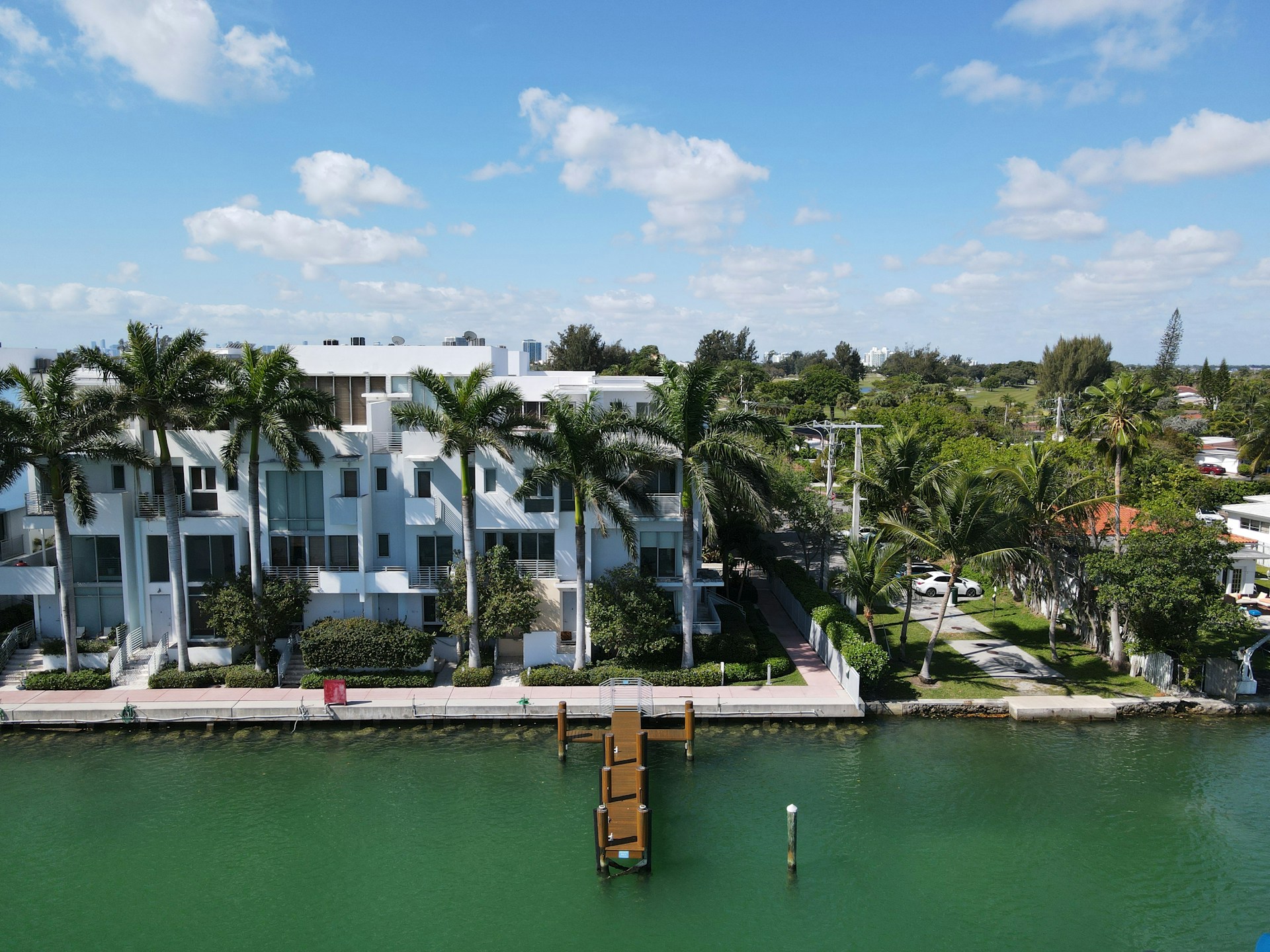
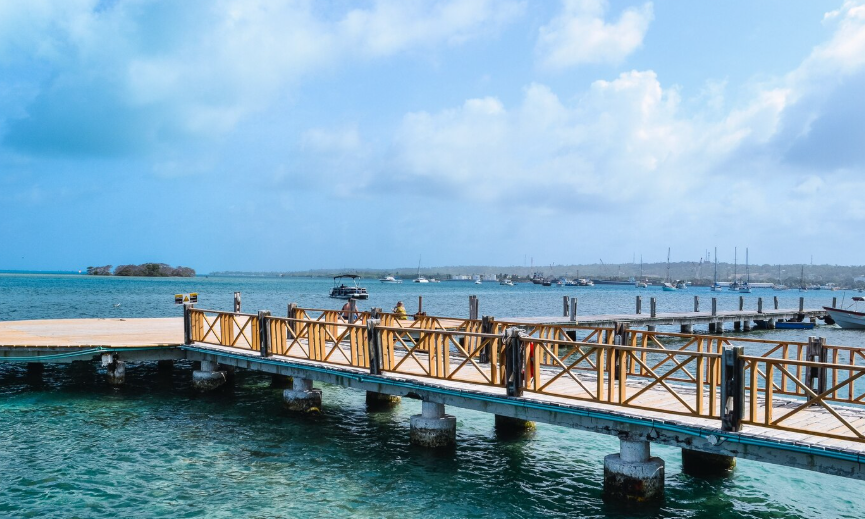
Pilings support docks by anchoring them against vertical loads and constant lateral movement from waves and boat wakes. In marinas, they also guide vessel positioning and absorb impact forces during docking. Properly spaced and embedded pilings prevent shifting, sagging, or long-term misalignment.
Bulkheads and Retaining Walls
Bulkheads rely on pilings to hold back soil and resist hydrostatic pressure from retained land. These structures face continuous lateral stress from saturated soils and tidal changes. Pilings act as the structural spine, preventing wall failure, soil loss, and shoreline erosion.
Heavy Infrastructure: Bridges and Wharves
Large-scale structures demand high load-bearing capacity and deep foundation support. Pilings used in bridges and commercial wharves are designed to handle extreme vertical loads along with strong lateral forces from currents and vessel traffic. In these applications, precise geotechnical analysis and hydrodynamic considerations are critical to ensure long-term performance.
How to Maximize the Lifespan of Your Pilings
Marine pilings are built to endure, but no material is maintenance-free. Consistent care directly impacts lifespan, structural safety, and long-term repair costs.
Long-term performance depends on consistent maintenance:
- Routine inspections: Identify early signs of scour, cracking, or wear below the waterline.
- Protective systems: Coatings, sealants, or cathodic protection help reduce corrosion and deterioration.
- Marine growth control: Removing buildup prevents added stress and surface damage.
- Early repairs: Address minor issues quickly to avoid larger structural problems.
Preventive care reduces repair costs and extends service life.
Conclusion
Every waterfront structure depends on the strength of its foundation below the waterline. Marine pilings provide the deep support needed to resist shifting soils, wave forces, and long-term environmental stress.
The difference between a structure that lasts and one that fails often comes down to proper material selection and precise installation. Without the right approach, even well-built projects can experience settlement, misalignment, and costly repairs.
For any waterfront project, a site-specific evaluation is essential. Working with an experienced marine contractor ensures the right piling system is selected, installed correctly, and built to perform over time.